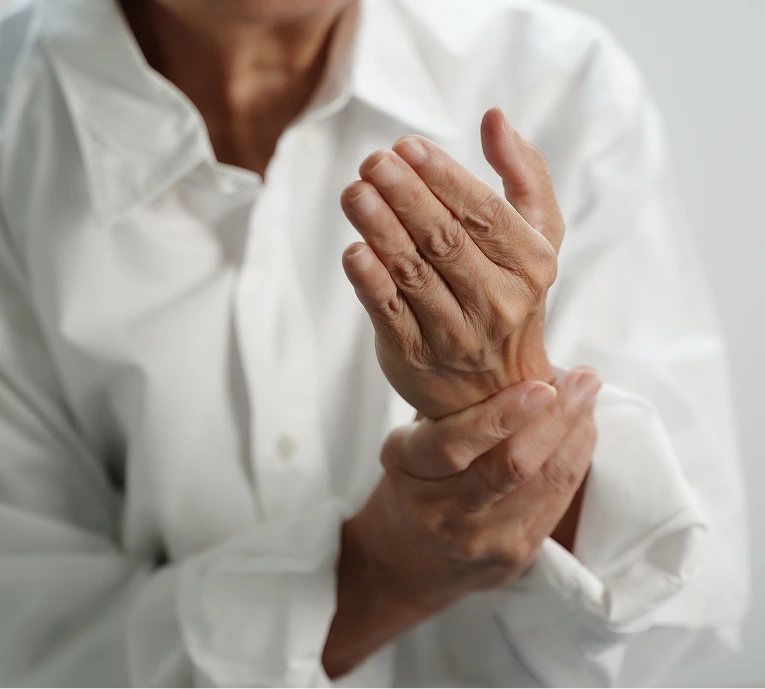
Arthritis and joint pain develop when cartilage or soft tissue becomes irritated, creating stiffness and discomfort that may progress without evaluation. Understanding the affected joints supports improved mobility and long-term function.
Cubital tunnel syndrome occurs when the ulnar nerve becomes compressed at the elbow, creating numbness or discomfort that may worsen over time. Identifying the source of compression supports improved hand coordination.
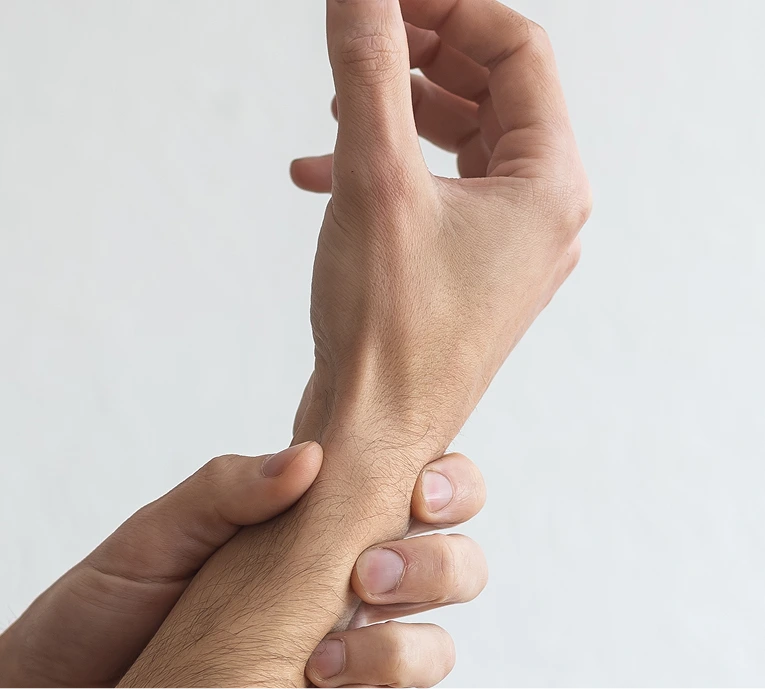
De Quervain’s tenosynovitis develops when tendons along the thumb side of the wrist become irritated, creating discomfort with gripping or lifting. Early evaluation helps reduce strain and improve daily function.
Digital nerve injuries occur when nerves in the fingers are damaged, creating altered sensation that may progress without assessment. Understanding the extent of injury supports improved recovery and function.
Dupuytren contracture develops when tissue in the palm thickens, gradually pulling fingers into a bent position. Identifying early changes supports improved hand mobility and long-term comfort.
Hand and wrist fractures occur when bone integrity is disrupted by impact or stress, creating pain and swelling that may worsen without evaluation. Identifying the fracture pattern supports proper healing.
A ganglion cyst forms when fluid collects near a joint or tendon, creating a visible bump that may cause discomfort with movement. Understanding its location supports appropriate management.
Golfer’s elbow develops when tendons on the inner elbow become irritated, creating discomfort that may progress with repetitive activity. Identifying contributing strain supports improved arm function.
Hand injuries result from sudden impact or repetitive stress, creating discomfort that may worsen without evaluation. Identifying affected structures supports effective recovery and long-term mobility.
Ligament tears occur when stabilizing tissue is overstretched or torn, creating instability and discomfort that may progress without assessment. Understanding the injury pattern supports improved function.
Lumps and deformities develop from soft tissue changes, cysts, or structural shifts that may affect comfort or movement. Identifying the underlying cause supports appropriate clinical management.
Nerve compression occurs when surrounding tissue places pressure on a nerve, creating numbness or discomfort that may progress without evaluation. Identifying the compression site supports improved function.
Osteoarthritis develops when joint cartilage wears down over time, creating stiffness and discomfort that may limit daily activity. Understanding joint involvement supports long-term mobility.
Phalangeal fractures occur when finger bones break from impact or twisting, creating swelling and discomfort that may worsen without evaluation. Identifying the fracture type supports proper healing.
A scapholunate ligament injury develops when the stabilizing ligament between wrist bones becomes damaged, creating discomfort and reduced grip strength. Early evaluation supports improved wrist stability.
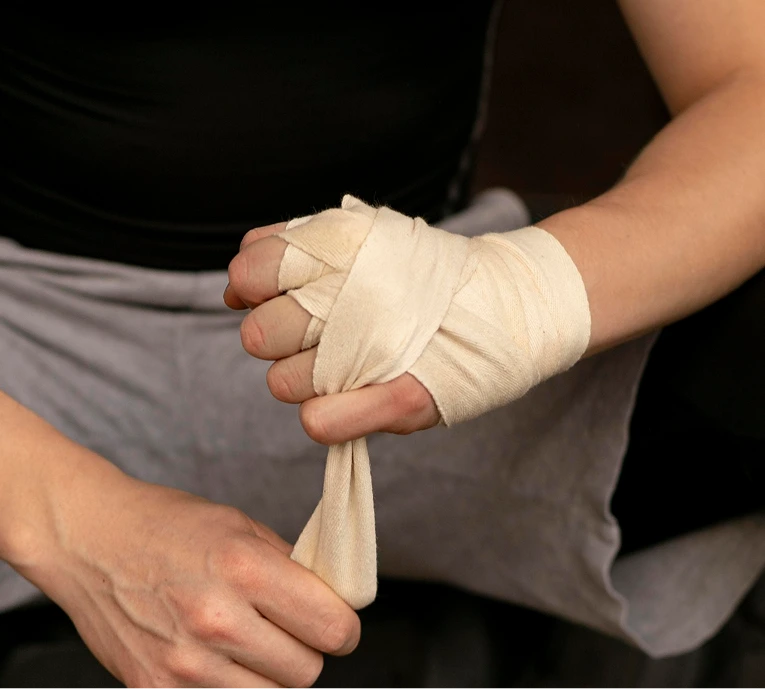
Sports injuries occur when sudden force or repetitive strain affects the hand or wrist, creating discomfort that may progress without assessment. Identifying the injury pattern supports improved recovery.
Stiffness develops when joints or soft tissues lose flexibility, creating limited movement that may worsen without evaluation. Understanding contributing factors supports improved hand mobility.
Swan neck deformity occurs when finger joints shift out of balance, creating a characteristic bending pattern that affects function. Identifying early changes supports improved hand coordination.
Swelling and numbness develop when soft tissue irritation or nerve changes affect hand function, creating discomfort that may progress without evaluation. Understanding the cause supports improved mobility.
Tendinitis occurs when a tendon becomes irritated from overuse or strain, creating discomfort that may worsen without assessment. Identifying the affected tendon supports improved daily function.
Tendon injuries develop when tendon fibers are overstretched or torn, creating weakness and discomfort that may progress without evaluation. Understanding the injury pattern supports improved recovery.
Tennis elbow occurs when tendons on the outer elbow become irritated, creating discomfort that may progress with repetitive activity. Identifying contributing strain supports improved arm function.
Trigger thumb develops when the tendon at the base of the thumb becomes irritated, creating catching or locking during movement. Early evaluation supports improved thumb mobility and comfort.