Cubital Tunnel Syndrome
Treatment in Miami, FL

At Revive Hand and Foot Institute, we specialize in diagnosing and treating Cubital Tunnel Syndrome, a common condition affecting the ulnar nerve in the elbow. Our team is dedicated to providing personalized care and advanced solutions to relieve your discomfort and restore optimal hand and arm function. We help patients regain strength, sensation, and the ability to perform daily activities with ease.
Understanding Cubital Tunnel Syndrome

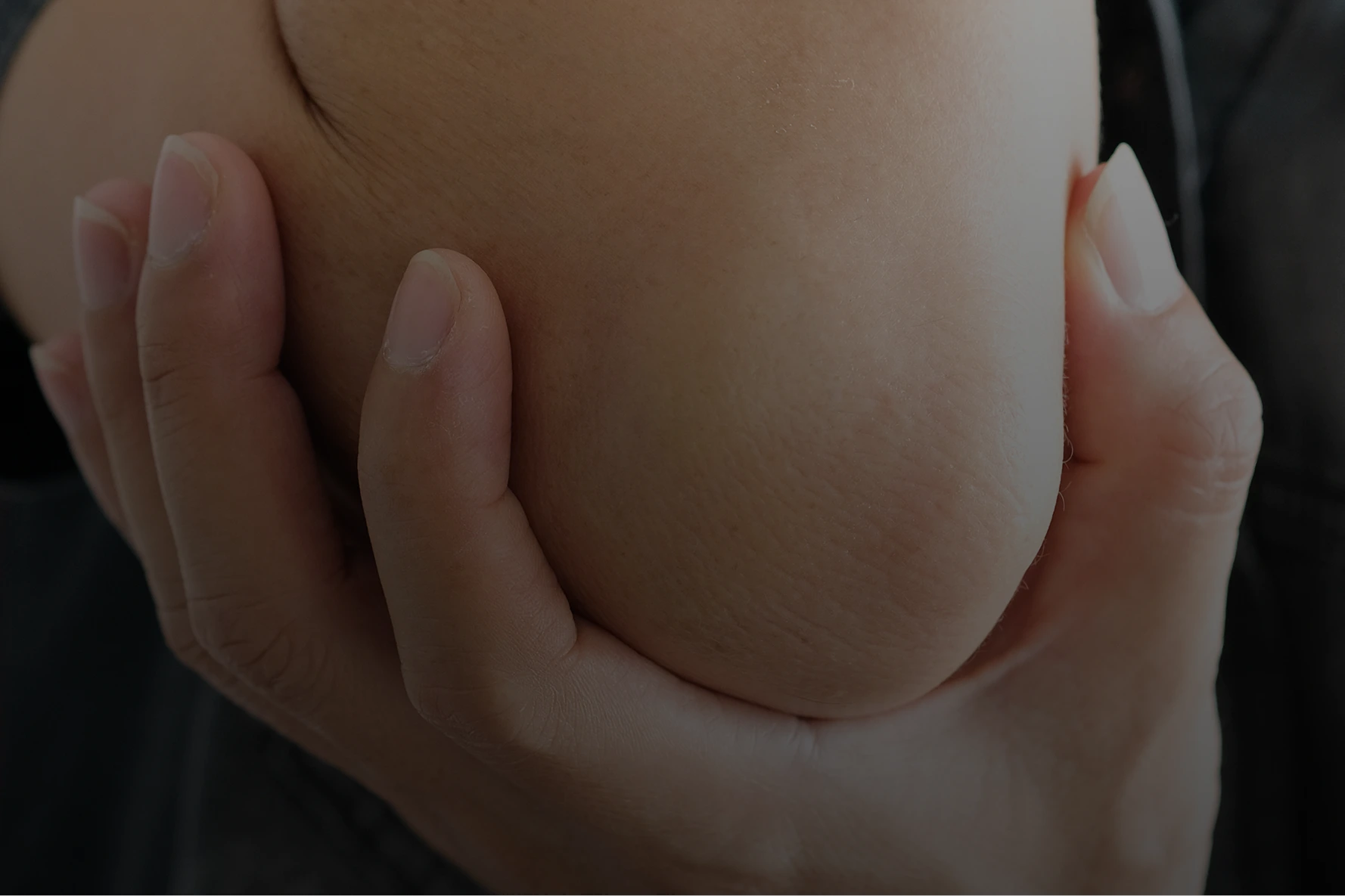
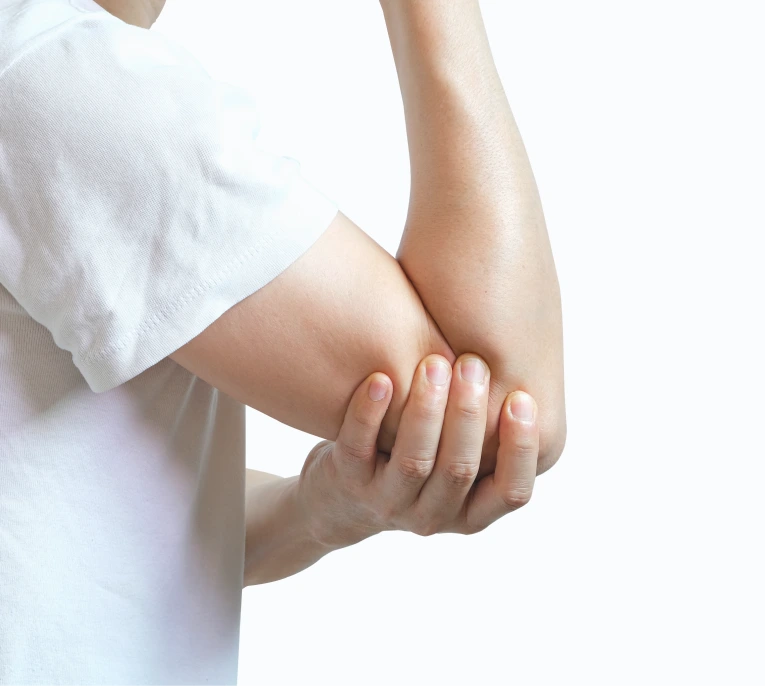
Cubital Tunnel Syndrome occurs when the ulnar nerve, one of the three main nerves in your arm, becomes compressed or irritated as it passes through the cubital tunnel at the inside of your elbow. This compression can lead to a variety of symptoms, ranging from numbness and tingling in the hand and fingers to weakness and pain. Understanding this condition is the first step toward effective treatment and lasting relief.


Anatomy of the Ulnar Nerve

The ulnar nerve travels from your neck down into your hand. It passes through a narrow space on the inside of your elbow called the cubital tunnel, which is bordered by bone and soft tissues.
This nerve is responsible for providing sensation to your little finger and half of your ring finger, as well as controlling most of the small muscles in your hand that help with fine motor movements and grip strength. Its superficial location at the elbow makes it vulnerable to compression or stretching.

Common Symptoms
and Causes

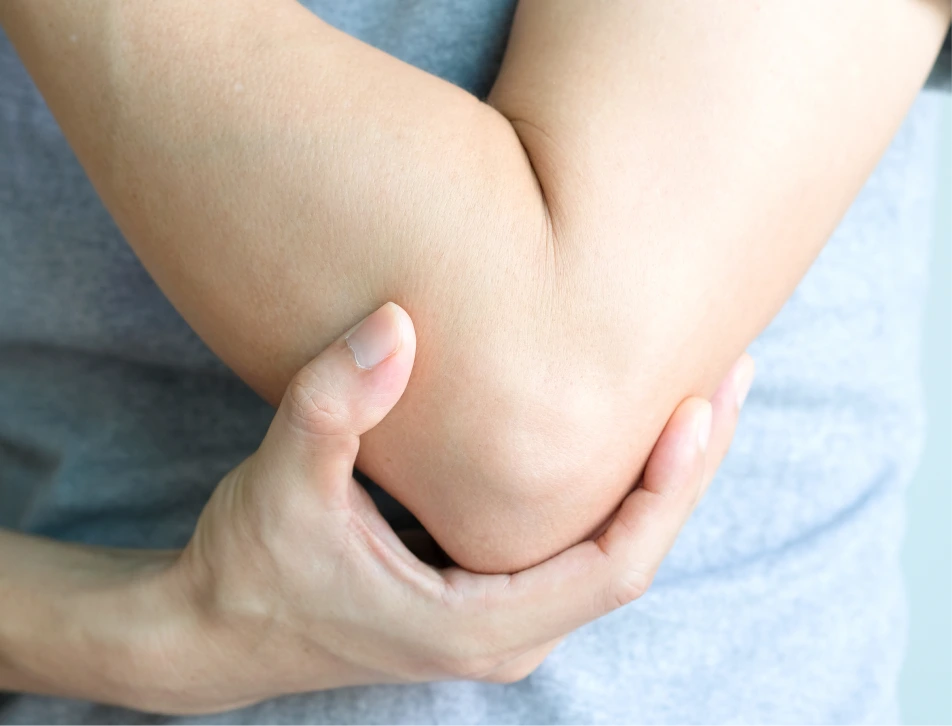
Common symptoms of Cubital Tunnel Syndrome include numbness and tingling in the little and ring fingers, especially when the elbow is bent for extended periods. Patients may also experience pain on the inside of the elbow, weakness in the hand, and reduced grip strength. In more severe or prolonged cases, muscle wasting in the hand can occur.
The primary causes of Cubital Tunnel Syndrome involve repetitive elbow bending, direct pressure on the elbow, or sustained postures that stretch the ulnar nerve. Conditions like arthritis, bone spurs, and cysts can also contribute to nerve compression. Sometimes, the nerve may even slip out of its normal position when the elbow is bent, leading to irritation.

Diagnosing Nerve Compression

Diagnosing Cubital Tunnel Syndrome involves a comprehensive physical examination, where our doctor will assess your symptoms, check for tenderness around the cubital tunnel, and evaluate nerve function. Specific tests, such as tapping on the ulnar nerve (Tinel’s sign) or holding the elbow in a bent position, can help elicit symptoms.
Electrodiagnostic studies, including nerve conduction velocity (NCV) tests and electromyography (EMG), are often used to confirm the diagnosis, determine the severity of nerve compression, and rule out other conditions.

Non-Surgical and Conservative
Treatments

For many patients, initial treatment focuses on non-surgical approaches to alleviate symptoms and reduce nerve irritation. These conservative methods aim to minimize pressure on the ulnar nerve and promote healing.
Avoiding activities that involve prolonged elbow bending or direct pressure on the elbow can significantly reduce symptoms. This includes changing sleeping positions, adjusting workstation ergonomics, and taking frequent breaks during tasks that require repetitive arm movements.
Wearing an elbow splint or brace, especially at night, can help keep the elbow straight and prevent nerve compression while sleeping. This simple intervention can often provide substantial relief and allow the nerve to heal.

Surgical Procedures for Nerve Release

When surgery is necessary, several techniques can be employed to relieve pressure on the ulnar nerve. These procedures aim to create more space for the nerve, preventing further irritation and allowing it to heal. The choice of surgical approach depends on the specific cause and severity of the compression.
Open Cubital Tunnel Release
One common surgical procedure is open cubital tunnel release. During this procedure, an incision is made on the inside of the elbow to directly visualize the ulnar nerve. Our surgeon then cuts the ligament that forms the roof of the cubital tunnel, effectively enlarging the space and decompressing the nerve. In some cases, the nerve may also be moved to a new, less constricted position (ulnar nerve transposition) to prevent future compression or stretching.

Recovery and
Postoperative Care

Following cubital tunnel surgery, a period of recovery is essential for optimal healing and return to function. You may experience some pain and swelling, which can be managed with medication and ice. Your arm will likely be placed in a splint or sling initially. Gradually, you will begin gentle range-of-motion exercises as advised by your surgeon. Adhering to all postoperative instructions is critical for a smooth recovery.
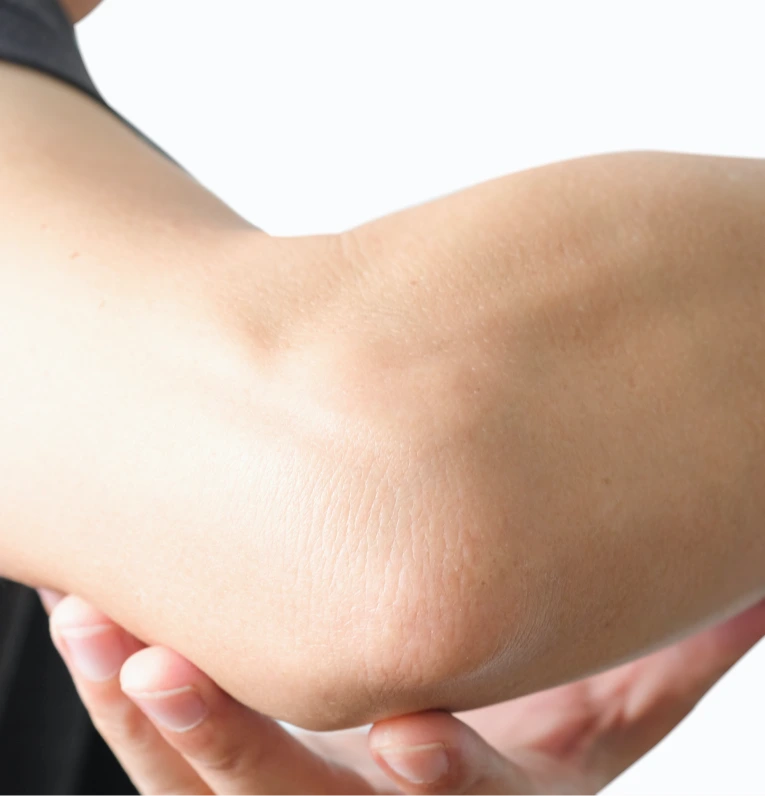
Physical therapy plays a vital role in regaining strength, flexibility, and full function after treatment for Cubital Tunnel Syndrome, especially following surgery. A tailored rehabilitation program will include exercises to improve elbow and wrist mobility, strengthen the hand and forearm muscles, and retrain nerve sensation. Our team works closely with physical therapists to ensure a comprehensive and effective recovery plan.

Potential Risks and Complications

While Cubital Tunnel Syndrome treatment is generally safe and effective, like any medical procedure, it carries potential risks. These can include infection, bleeding, nerve damage (though rare, it can worsen symptoms), persistent numbness or weakness, and scar tissue formation. Our surgeon will discuss these potential complications with you in detail, ensuring you are fully informed before proceeding with any treatment.

Long-Term Outlook

The long-term outlook for Cubital Tunnel Syndrome treatment is generally positive, with many patients experiencing significant relief from symptoms and improved hand function. Following surgical decompression, most individuals report a reduction in numbness, tingling, and pain, as well as a return of strength. Consistent adherence to rehabilitation protocols is key to achieving the best possible long-term results and preventing recurrence.

Candidates for Surgical Intervention

Surgical intervention is typically considered when conservative treatments have failed to provide adequate relief or when there is evidence of significant nerve compression leading to muscle weakness or damage. Patients who experience persistent numbness, tingling, pain, or progressive muscle wasting despite non-surgical efforts may be ideal candidates for surgery to decompress the ulnar nerve.

Benefits of Cubital Tunnel Syndrome Treatment

Cubital Tunnel Syndrome treatment focuses on relieving pressure on the ulnar nerve at the elbow, helping reduce symptoms like numbness, tingling, and weakness in the hand. Early and proper treatment can improve comfort, restore hand function, and prevent long-term nerve damage.
  • Reduces numbness and tingling in the ring and little fingers
  • Improves grip strength and hand coordination
  • Decreases elbow pain and discomfort
  • Helps prevent permanent nerve damage or muscle wasting
  • Improves ability to perform daily activities (writing, typing, lifting)

Cost of Cubital Tunnel Syndrome
Treatment in Miami, FL

The cost of Cubital Tunnel Syndrome treatment in Miami can vary depending on the specific procedures involved, whether it’s surgical or non-surgical, and individual patient needs. A realistic price range for surgical intervention might fall between $4,000–$8,000. Please note that this is an estimate, and the actual cost can vary based on factors such as anesthesia, facility fees, and pre/post-operative care.
For a personalized quote and to discuss your specific treatment plan, we encourage you to schedule a consultation with our experts.

Book Your
Appointment Today!

Revive Hand & Foot Institute provides specialized care for complex conditions like Cubital Tunnel Syndrome. We utilize advanced diagnostic tools and both non-invasive and surgical techniques to ensure the most effective treatment for your unique needs. Our focus on restoring function and improving your quality of life, combined with a compassionate approach, sets us apart. We are committed to guiding you through every step of your healing journey, helping you regain the strength and comfort you deserve.

Frequently Asked Questions (FAQs)

You should avoid activities that involve prolonged bending of the elbow, leaning on your elbow, or repetitive arm movements that put pressure on the inside of your elbow.
Recovery time varies, but most patients can expect to resume light activities within a few weeks and more strenuous activities within a few months, with full recovery potentially taking up to a year. Physical therapy is often a key component of this process.
In mild cases, symptoms may resolve with conservative management and activity modification. However, for more persistent or severe cases, medical intervention is often necessary to prevent permanent nerve damage.