

Diabetic Foot Treatment in Miami, FL
What Is Diabetic Foot?
Diabetic foot refers to a range of foot complications that can occur in people with diabetes due to nerve damage (neuropathy) and poor blood circulation. These problems may lead to reduced sensation in the feet, making it hard to notice cuts, blisters, or other injuries that might develop. The combination of poor healing due to reduced blood flow and the inability to feel pain might result in wounds that become infected and recuperate very slowly.
If left untreated, diabetic foot conditions can lead to serious complications, such as ulcers and gangrene. In severe cases, patients may require amputation. Regular foot care, proper shoes, and routine medical check-ups are essential for preventing and managing diabetic foot complications.
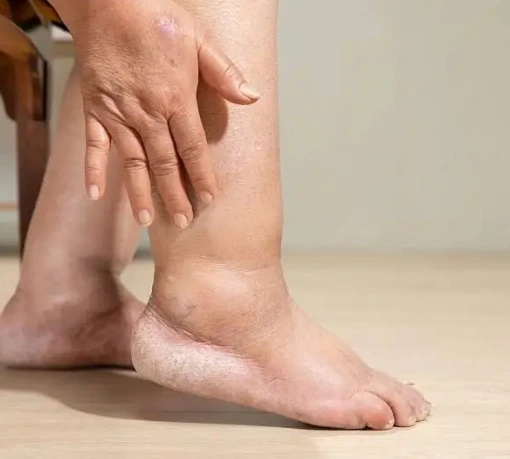
Causes of Diabetic Foot
- Peripheral Neuropathy: Nerve damage reduces sensation in the feet, making it difficult for patients to detect their injuries or pressure points.
- Infections: Minor cuts or sores can become infected more quickly due to the weakened immune system, leading to complications.
- Poor Circulation: Diabetes often leads to reduced blood flow to the feet, impairing the body’s ability to heal wounds.
- Foot Deformities: Conditions like bunions, hammertoes, or Charcot foot may increase pressure in certain areas, heightening the risk of ulcers.
Our Treatments for Diabetic Foot
Our Treatments for Diabetic Foot
Casting and Shoe Inserts
Foot and Ankle Surgery
Wound Debridement
MLS Laser Therapy
Soundwave Therapy
Treatment of Ingrown Toenails
Consultation & Preparation for Treatment
Recovery After Diabetic Foot Treatment

Recovery time and complexity vary depending on the severity of the condition and the type of treatment received. Following procedures like debridement or conservative wound care, the patient typically requires regular follow-up visits to monitor healing and prevent infection. The wound may take several weeks to recuperate. Proper foot care, including keeping the area clean and protected, is essential during this period.
Recovery may be longer for those undergoing more invasive treatments, such as surgery. Therefore, patients must limit weight-bearing activities and use specialized footwear or crutches. Pain management and controlling blood glucose levels play a significant role in ensuring a smooth recovery. We highly recommend avoiding drinking alcohol and smoking because they can impair healing.
Our healthcare team guides patients in adjusting to their daily activities. In some cases, physical therapy may be recommended to aid in recuperation. Throughout the recovery process, the focus remains on preventing further complications and ensuring proper healing of the affected area.
Candidates for Diabetic Foot Treatment

- Patients with poorly controlled diabetes and high blood sugar levels
- Individuals with persistent foot ulcers that do not heal with standard care
- Those with nerve damage that led to the loss of sensation in the feet
- People with poor circulation or vascular disease affecting the lower limbs
- Individuals experiencing foot deformities, such as bunions or hammertoes
- Patients with infections, open sores, or signs of tissue necrosis in the feet
- Those with a high risk of foot amputation
Benefits of Diabetic Foot Treatment

Reduces Pain and Discomfort:
Effective diabetic foot treatment helps alleviate pain and discomfort caused by infections, ulcers, or nerve damage. With timely interventions, such as proper wound care and pain management strategies, patients experience relief from symptoms that might interfere with daily activities. This improves their overall quality of life and helps them regain mobility and comfort.Prevents Diabetic Foot Ulcers and Gangrene:
Diabetic foot treatment is critical in preventing the development of ulcers. If left untouched, these ulcers might progress to gangrene. Our procedures reduce the risk of tissue death by addressing early signs of infection, improving blood circulation, and promoting proper wound healing. Timely intervention is essential for preventing severe complications, such as amputation, that can result from untreated foot ulcers and gangrene.
Promotes Faster Wound Healing:
Diabetic foot treatment accelerates healing by ensuring that wounds are adequately cleaned, debrided, and protected from infection. With the right interventions, including debridement or appropriate dressings, recovery is more efficient, reducing the likelihood of complications. This contributes to better outcomes and a lower risk of chronic wounds that can persist or worsen over time.
Cost of Diabetic Foot Treatment in Miami, FL
The cost of diabetic foot treatment in Miami ranges from $200 to $4,000, depending on the complexity of the condition and the type of care required. Basic procedures, such as debridement, tend to be on the lower end of the price range, while more advanced interventions, including surgery or extensive therapy, can be more costly. Additional factors include follow-up appointments and any complications that may arise during the healing process.
What Makes Our Diabetic Foot Care Different From Others?