Ingrown Nail Treatment
in Miami, FL

Ingrown nails can be painful, stubborn, and even make everyday activities like walking or wearing shoes uncomfortable. Luckily, professional care can bring relief quickly and safely. Our ingrown nail treatments help reduce discomfort, prevent infections, and restore normal nail growth. We take a gentle approach, guiding you through each step with care and confidence.

What Is an
Ingrown Toenail?

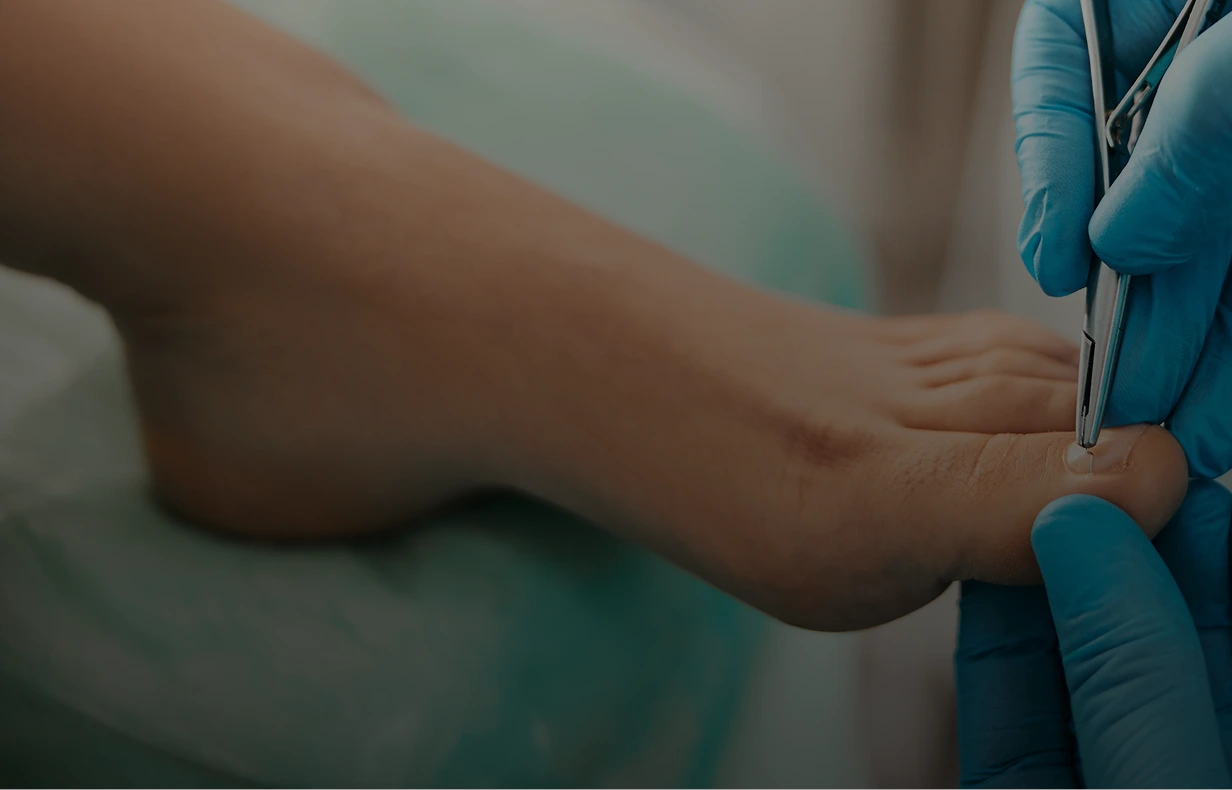
An ingrown toenail happens when the edge of your nail grows into the surrounding skin, causing pain, redness, and sometimes swelling or infection. It most often affects the big toe and can make walking, exercising, or even wearing shoes uncomfortable. While minor cases may improve with home care, persistent or painful ingrown nails usually require professional treatment to prevent infection and restore normal nail growth.

Your Treatment Options

For mild ingrown nails, simple at-home care can sometimes ease discomfort. Soaking your foot in warm water, keeping the area clean, and gently trimming or lifting the nail can help reduce pressure and prevent infection. While this approach may temporarily relieve pain, it’s important to watch for signs of worsening irritation or infection.
When the ingrown portion of the nail is pressing into the skin, a doctor can gently lift it to relieve pain and guide proper nail growth. This procedure is usually quick and done under a local anesthetic, helping the nail heal without the need for more invasive treatment.
In cases where the ingrown portion causes repeated pain or infection, a partial nail avulsion may be recommended. During this procedure, the affected section of the nail is carefully removed under a local anesthetic, allowing the surrounding skin to heal and preventing the nail from digging in again.
For severe cases in which ingrown nails keep recurring, a matrixectomy may be the best solution. This procedure removes or destroys the nail root responsible for the problem, preventing that portion of the nail from regrowing. It’s highly effective and provides long-term relief while minimizing the risk of recurrence.

What to ExpectDuring Your Appointment

Your visit begins with a conversation about your symptoms and how long you’ve been experiencing discomfort. Our doctor will ask about your medical history, any previous treatments, and what may have triggered the issue, giving us a clear picture before any hands-on evaluation begins.
Next, we’ll take a close look at the affected toe to assess the severity of the condition. We’ll examine the surrounding skin for redness, swelling, or signs of infection, gently checking the area to understand exactly what’s going on before moving forward.

Based on the examination, our doctor will provide a diagnosis and explain what stage the ingrown nail has reached. This helps us determine the most appropriate course of treatment for your specific situation, whether that’s a conservative approach or something more involved.
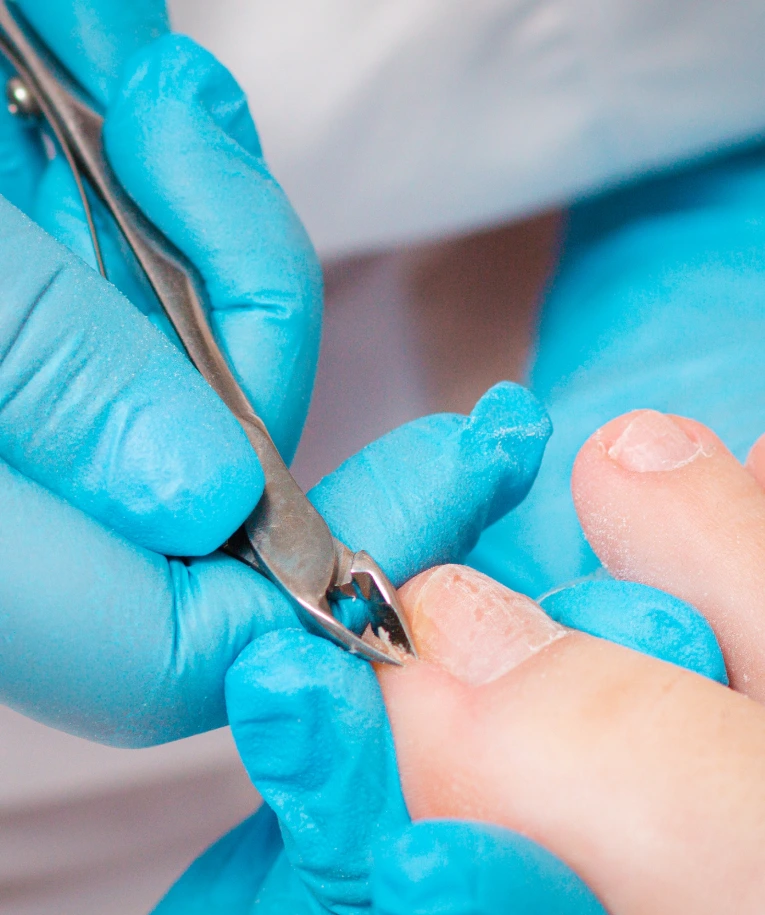

Depending on the findings, treatment may range from a simple nail lift to a partial removal of the affected nail section. In rare recurring cases, surgery may be discussed as a longer-term solution. Whatever the recommendation, the procedure will be performed gently and with your comfort as a priority.
Before you leave, we’ll walk you through how to care for your toe at home during recovery. We’ll explain what to watch for after treatment, including any warning signs that may indicate the area needs further attention, so you can heal confidently and safely.

Home Care Tips

Following your treatment, taking good care of your toe at home plays a big role in how well and how quickly you recover. Here are some simple tips to keep in mind:
Contact our office if you notice increasing redness, swelling, or discharge, as these may indicate the area needs further attention.

Who Is Typically
Affected
by
Ingrown Toenails?

An ingrown toenail occurs in people of all ages, though certain groups are more commonly affected than others.
  • Those who practice improper trimming, cutting their nails too short, or rounding the edges, are at a higher risk of the nail growing into the surrounding skin.
  • Athletes and active individuals who frequently experience pressure on their feet are also more likely to develop the condition, as are teenagers going through periods of rapid nail growth.
  • Injury is another common trigger – whether from stubbing your toe or an object falling on the foot, trauma can cause the nail to shift and grow incorrectly.
  • People managing related conditions, such as diabetes, face added concerns, as poor circulation and reduced sensation can make persistent pain harder to detect and complications more serious. For these individuals, seeking professional care early is especially important to avoid infection and more involved treatment down the line.

Benefits of Ingrown Toenail Treatment

Seeking professional treatment for an ingrown toenail offers more than just immediate relief. Here are some of the key benefits:

Cost of Ingrown Nail Treatment in Miami, FL

The cost of ingrown nail treatment in Miami typically ranges from $150 to $500, depending on the severity of the condition and the type of procedure required. Simple treatments like nail lifting tend to be on the lower end, while more involved procedures, such as a partial nail avulsion or matrixectomy, may be more expensive. Many insurance plans cover ingrown nail treatment when deemed medically necessary, so we recommend checking with your provider before your appointment.

Contact our office for a personalized estimate based on your specific situation. 

Restore Your Foot Health Today!

Don’t let an ingrown nail affect your overall foot health or lead to more serious issues like fungal infections. Our podiatrist is experienced in a wide range of procedures and is dedicated to helping patients find lasting relief safely and comfortably. When needed, we can also prescribe antibiotics to clear up any existing infection and prevent it from spreading.
Contact our office today to schedule your appointment and take the first step toward healthier, pain-free feet.

Frequently Asked Questions (FAQs)

It is extremely important to address an ingrown toenail as soon as possible because, left untreated, the condition can lead to serious complications. As the toenail grows deeper into the skin, the surrounding area can become swollen, inflamed, and infected, making the problem significantly harder to treat. Ongoing inflammation can affect your overall health, particularly if you have conditions like diabetes or poor circulation. What starts as minor discomfort can quickly turn into an unsightly and painful infection that may require more intensive procedures to resolve.
The best way to prevent ingrown toenails is to notice when a toenail begins to grow unevenly or press into the surrounding skin, and to act before it worsens. Always cut straight across the nail rather than rounding the edges, as curved trimming is one of the most common causes. Wearing properly fitted shoes and keeping your feet clean and dry also goes a long way in avoiding foot issues. If you spot early warning signs, seeking prompt care can help you avoid further complications down the line.
You should see a doctor if your ingrown toenail is causing significant pain, swelling, or discharge, or if home care has not improved the condition within a few days. It’s especially important to seek professional attention if you have diabetes or circulation issues, as these conditions make even minor foot problems more serious. When in doubt, it’s always better to get it checked early rather than wait for the situation to worsen.