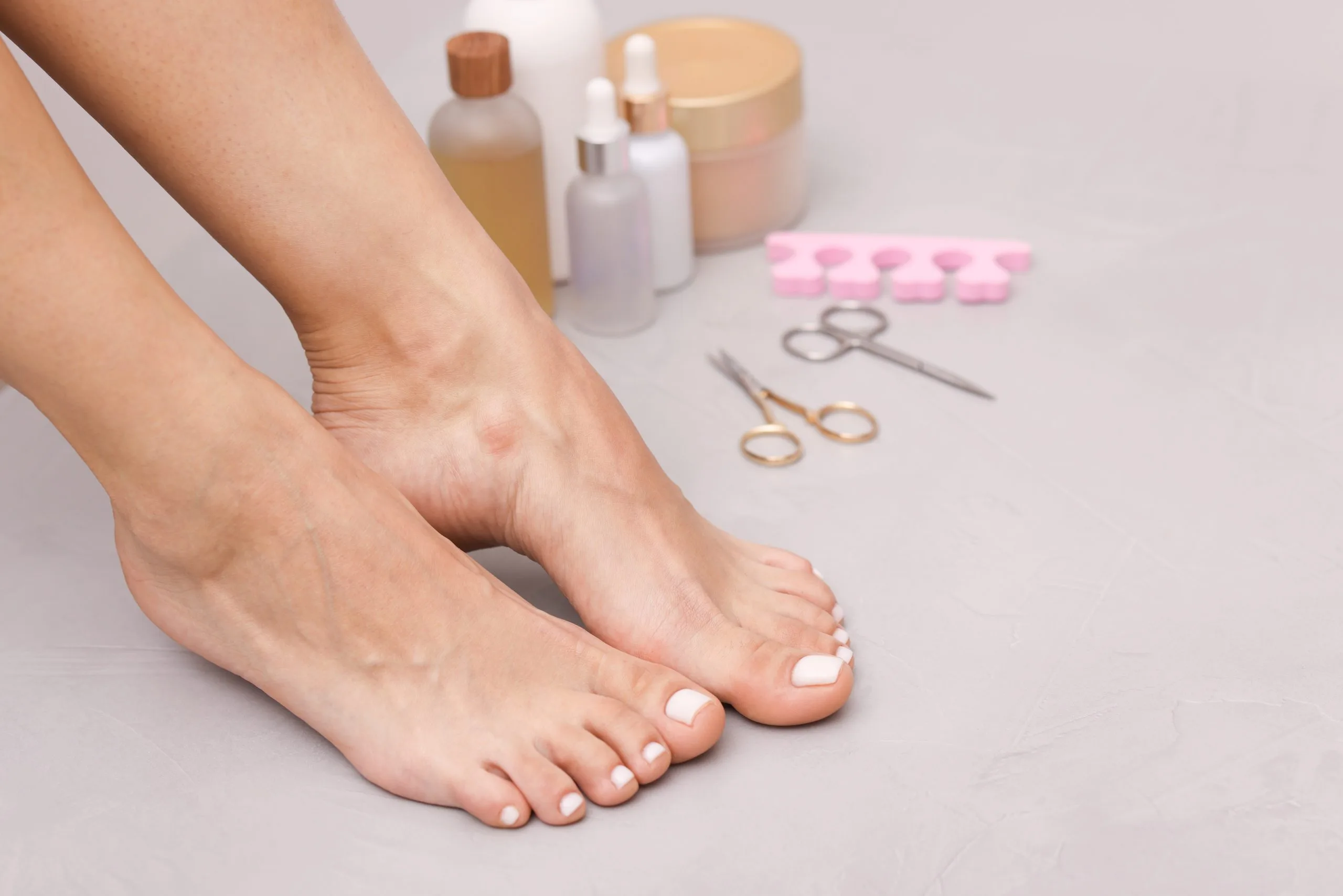
If you have toenail fungus, it’s best to avoid a standard salon pedicure until the infection has been treated. Traditional salons may unintentionally spread the fungus to other nails or make the infection worse if proper medical protocols aren’t followed. However, a medical pedicure performed in a podiatry clinic is a safe, hygienic alternative that can help keep your feet healthy while protecting the affected nail.
Toenail fungus, or onychomycosis, happens when fungal organisms enter through cracks in the nail or cuts in the skin and grow in and under the nail plate. The nail becomes a protected home for the fungus, which is why the infection tends to linger for months or years without treatment. Because fungi thrive in warm, moist environments, your toes are especially vulnerable.
Avoid standard cosmetic pedicures entirely if you have an active infection, and especially if:
Your nail is thick, brittle, cracking, or crumbling
The skin around the nail is inflamed
You have diabetes or reduced circulation
You have an ingrown nail
You have any open sore or cut on your foot
Pedicures under these conditions can lead to bigger problems, including secondary bacterial infections.
Fungus is highly contagious, and spores survive on files, clippers, and foot basins. Even careful salons can transfer spores between clients through shared foot baths and improperly sterilized tools. Treating the infection first protects everyone.
A medical pedicure is non-invasive nail and skin care performed by a foot care specialist in a sterile, clinical setting – with sterilized instruments and no water soak. The focus is nail health, not polish.
Instruments are sterilized rather than simply sanitized, preventing cross-contamination
Nails are debrided (thinned) to reduce pressure and help topical medication reach the nail bed
A provider evaluates the nail while working, so anything unusual gets addressed instead of covered up
At Revive Hand and Foot Institute, our medical pedicure creates a flexible, non-porous artificial nail so your real nail can heal underneath while looking better immediately.
The most effective path is professional medical treatment. Prescription topical solutions, oral antifungals that work systemically, and nail debridement can be combined based on how much of the nail is involved.
At our Coral Gables office, our team offers advanced laser treatments. Targeted light energy penetrates the nail to destroy fungus at its source without damaging surrounding tissue – no pills, no daily polish application. It’s a quick, popular choice for stubborn, thickened nails that haven’t responded to topicals.
Keep feet clean and dry between the toes
Wear moisture-wicking socks and rotate your shoes
Use antifungal powders in your shoes
Wear shower sandals in pools, gyms, and locker rooms – never go barefoot in public areas
Disinfect nail clippers, and bring your own tools if you visit a salon
If your nail is discolored, painful, or spreading, if over-the-counter products haven’t worked, or if you have diabetes or nerve problems, schedule an evaluation at our practice in Coral Gables, FL. Getting a diagnosis matters, since nail trauma and other conditions can mimic fungus.
So, can you get a pedicure if you have toenail fungus? Not a standard cosmetic one – but a medical pedicure, paired with antifungal or laser treatment – lets you care for your nails safely. Treat the infection first, and healthy-looking, sandal-ready nails follow.

About the Author
Dr. Morad Askari, MD, MBA, FACS
July 28, 2026