

Yes, flat feet can cause knee and back pain. When the arch collapses, the foot rolls inward with each step. That shift changes how the ankle, knee, hip and spine line up, and over time the extra strain can show up as aching knees or a sore lower back. This article, Can Flat Feet Cause Knee and Back Pain? Understanding the Link, explains how that chain reaction works and what our team in Coral Gables, FL does to treat it.
What Are Flat Feet?
Definition and Types of Flat Feet
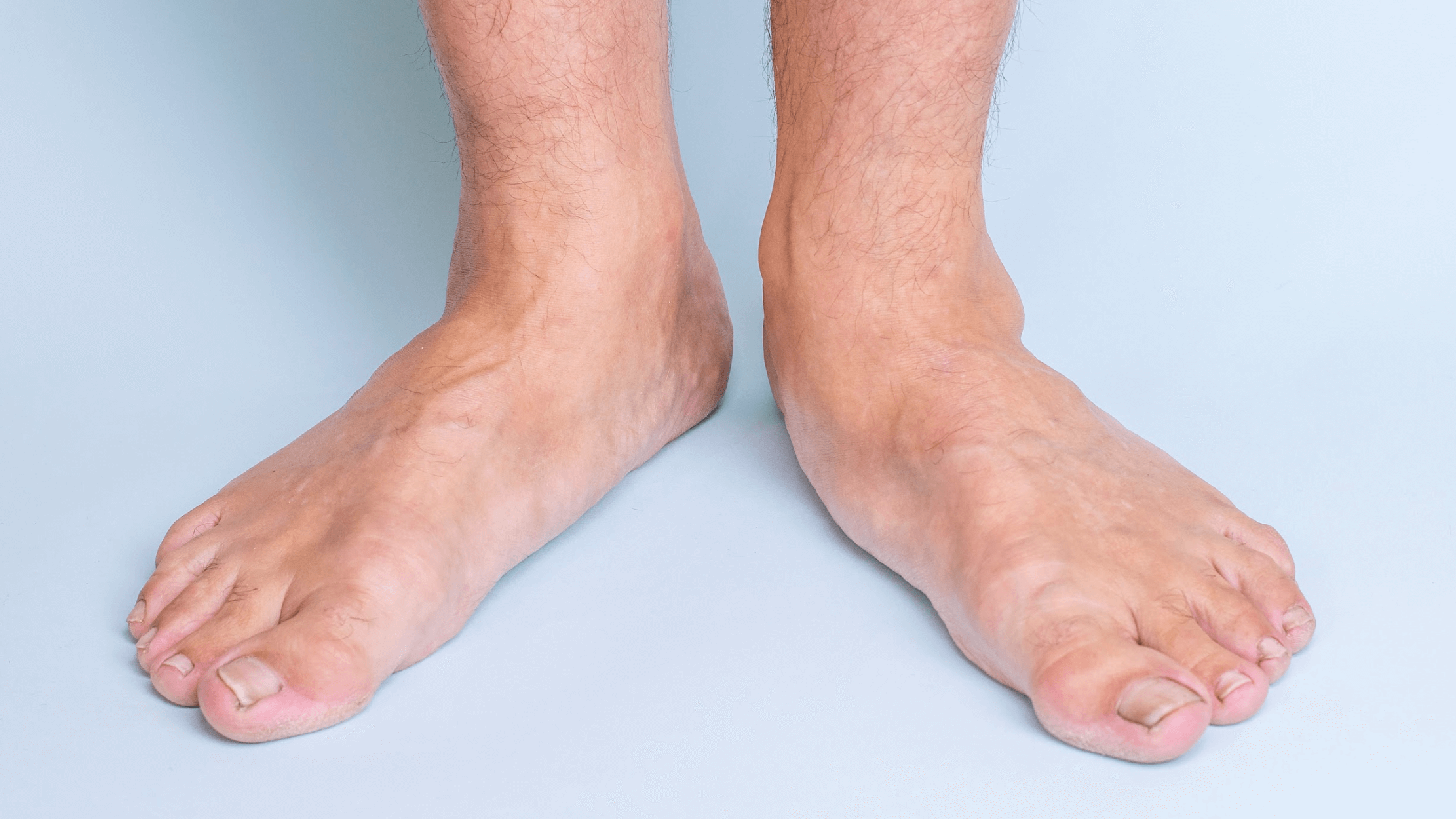
Flat feet means the arch on the inside of the foot is low or missing, so most of the sole touches the ground when you stand. There are two main types. Flexible flat feet show an arch when you sit or stand on your toes, and the arch disappears when you put weight on the foot. Rigid flat feet have no arch in any position and are more likely to cause pain.
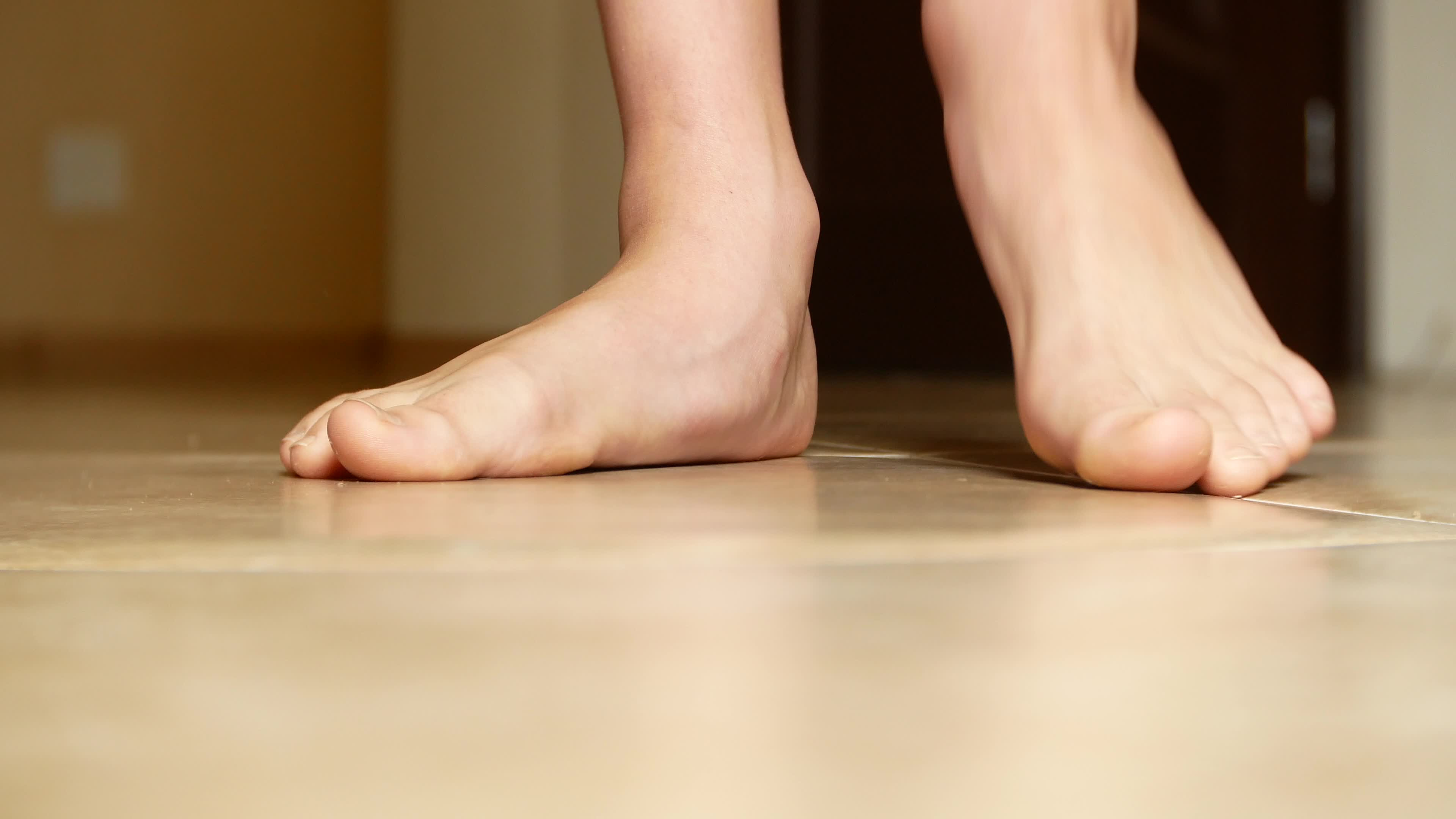
Some people are born with flat feet. Others develop fallen arches as adults.
Common Symptoms and Causes
Many people with flat feet feel nothing at all. Others notice:
Aching in the arch or heel
Pain along the inner ankle
Swelling on the inside of the foot
Feet that tire quickly after standing or walking
Shoes that wear unevenly
Common causes include genetics, a weakened or injured tendon, arthritis, extra body weight, diabetes and aging. Flat feet can also go hand in hand with plantar fasciitis and shin splints.
How Flat Feet Affect the Body’s Alignment
Your feet are the base of your body. A healthy arch absorbs shock and keeps the ankle stacked over the heel. When the arch flattens, the foot overpronates, which means it rolls too far inward. That inward roll turns the shin bone slightly inward. The knee follows, and the hip and pelvis adjust to keep you balanced. Each joint above the foot has to work a little harder to make up for the missing support.
Can Flat Feet Cause Knee and Back Pain? Understanding the Link
The Link Between Flat Feet and Knee Pain
When the shin rotates inward, the knee is pulled out of its natural track. This can stress the kneecap and the cartilage around it. Many patients describe a dull ache around or behind the kneecap that gets worse with stairs, running or long walks. Over time, uneven pressure on the knee joint may add to wear and tear.

The Connection Between Flat Feet and Back Pain
The effects do not stop at the knee. As the legs rotate inward, the pelvis can tilt forward. A tilted pelvis changes the natural curve of the spine. Muscles in the hips and back then tighten to hold you upright.
How Flat Feet Lead to Lower Back Pain
A forward pelvic tilt increases the curve in the lower back. This puts extra load on the muscles and joints of the lumbar spine. Flat feet also absorb less shock, so more force from each step travels up to the back. If only one foot is flat, the uneven support can make one side of the back work harder than the other.
Signs Your Knee or Back Pain May Be Related to Flat Feet
Watch for these clues:
Knee or back pain that worsens after standing or walking
Pain that eases when you wear supportive shoes
Heavy wear on the inner edge of your shoe soles
Ankles that appear to lean inward
Foot or ankle pain alongside knee or back pain
Spotting these patterns is often the first step in answering the question at the heart of Can Flat Feet Cause Knee and Back Pain? Understanding the Link for your own body.
Diagnosis: Tests to Confirm Flat Feet as the Cause
Our team starts by looking at your feet while you sit, stand and walk. We check how your arch changes with weight and how your ankles and knees move. Simple tests, such as rising onto your toes, show whether the flat foot is flexible or rigid. Imaging may be used to look at bone alignment, tendon health or arthritis. A gait exam shows how your feet strike the ground and how that motion travels up your legs.
Treatment Options for Flat Feet-Related Pain
Most patients improve with nonsurgical care. You can learn more on our flat foot.
Custom Orthotics and Supportive Devices
Custom orthotics are shoe inserts made to fit your feet. They support the arch, limit inward rolling and help line up the ankle and knee. Ankle bracing may also help when the ankle is unstable.
Physical Therapy and Exercise
Stretching the calf and Achilles tendon can ease strain on the arch. Strengthening the small muscles of the foot, along with the hips and core, helps the whole leg hold better alignment.
Lifestyle Modifications
Wear shoes with firm arch support and a stable heel.
Avoid going barefoot on hard floors for long periods.
Choose low impact exercise such as swimming or cycling during flare ups.
Reaching a healthy weight lowers the load on your arches.
For flat feet that do not respond to these steps, our team also offers foot and ankle surgery.
When to Seek Professional Help
See a foot specialist if pain lasts more than a few weeks, keeps you from daily activities or gets worse over time. Seek care sooner if one arch suddenly flattens, your ankle swells or you have diabetes. Our foot pain team can find the source and build a plan that fits your needs.
Conclusion: Managing Flat Feet to Prevent Knee and Back Pain
Flat feet can throw off the alignment of the ankles, knees, hips and spine, which can lead to knee and back pain. Spotting the signs early, getting a clear diagnosis and using custom orthotics, exercise and supportive shoes can ease strain on your whole body.