
Bunion Surgery In Miami, FL
Revive Hand & Foot Institute in Miami has established itself as a leading center for bunion surgery, offering advanced solutions for foot deformities. Our approach combines state-of-the-art techniques with comprehensive patient care for optimal outcomes. Dr. Ashot Oganesyan and Dr. Morad Askari bring their specialized expertise to each procedure, ensuring precise execution and attention to detail. Our minimally invasive methods reduce recovery times, improve cosmetic results, and maximize patient comfort.
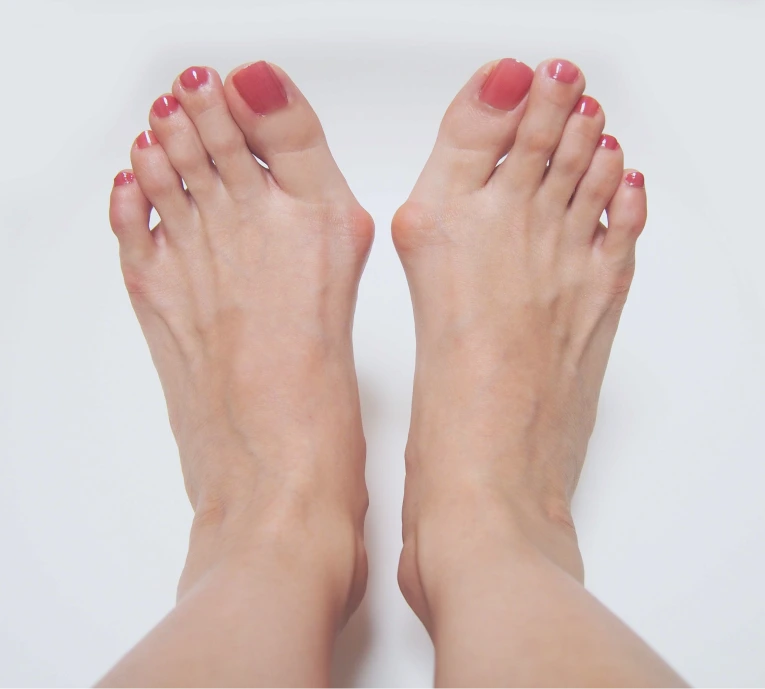
What Is Bunion Surgery?
Types of Bunion Surgery
- Bunionectomy: A bunionectomy is a surgical procedure that removes the enlarged portion of bone at the base of the big toe. This procedure is typically recommended for mild to moderate bunions where the joint has not been significantly damaged. Dr. Oganesyan makes an incision over the bunion and carefully removes the protruding bone while preserving the surrounding tissue.
- Osteotomy: An osteotomy involves cutting and realigning the bone to correct the deformed joint structure causing the bunion. During the operation, Dr. Oganesyan may use screws, plates, or pins to hold the modified bone in its proper position while it heals. This surgery is often recommended for more severe bunions where the bone needs.
- Exostectomy: Exostectomy is a relatively simple procedure that removes only the bony bump without realigning the joint or surrounding tissues. It is typically only suitable for mild bunions where joint deformity is not a significant factor. This surgery provides significant cosmetic improvements in the foot.
- Arthrodesis (Joint Fusion): Arthrodesis involves fusing the bones of the affected joint to prevent movement and relieve pain. This procedure is typically reserved for severe bunions, particularly in cases where arthritis has damaged the joint beyond repair. The surgery involves removing the damaged joint surfaces and using screws, plates, or other hardware to hold the bones together while they heal and fuse into a single, solid piece.
- Lapidus Procedure: The Lapidus procedure is a more extensive surgery that involves fusing the first metatarsal and the medial cuneiform bone to address severe deformities. It is typically used when the bunion is large or when the first metatarsal joint is significantly unstable. The Lapidus procedure can be highly effective in preventing the recurrence of the bunion.
- Keller’s Procedure: The Keller’s procedure is used for patients with advanced bunions and arthritis at the joint. This technique involves removing the head of the first metatarsal bone and the soft tissue around the joint. It is typically reserved for older adults or those with significant joint degeneration. Although the procedure results in smaller toes, it can relieve pain and improve function.
- Minimally Invasive Bunion Surgery: This minimally invasive surgery, also known as a keyhole operation, uses tiny incisions (2-3 mm) to correct bunion deformities. With specialized instruments and real-time X-ray guidance, Dr. Oganesyan can perform bone corrections through these tiny openings. Compared to traditional open surgery, this technique typically results in less postoperative pain, smaller scars, and faster recovery, though it may not be suitable for all patients.
Consultation & Preparation for
Bunion Surgery?
Consultation & Preparation for Bunion Surgery?

We highly recommend addressing bunions as soon as they emerge so that less invasive methods can be used. However, this condition can be corrected at any stage. The preparation begins with a comprehensive consultation with Dr. Oganesyan. During this initial meeting, he evaluates the severity of the bunion, reviews the patient’s medical history, and discusses various surgical options. X-rays are typically taken to assess bone structure and determine the most appropriate technique.
After having their bunions diagnosed, patients may need to undergo routine blood tests and a physical examination to ensure they are healthy enough for surgery. Medications, particularly blood thinners, may need to be adjusted or temporarily discontinued. Patients should arrange for post-operative transportation and assistance at home, as their movements will be limited after the procedure. Preparing the home environment by removing trip hazards and setting up a recovery area with essential items within easy reach is also crucial. Purchases of the necessary medical equipment, such as crutches or surgical boots, should be done before the operation date.
Bunion Surgery:
A Step-by-Step Procedure
Anesthesia
Incisions Near the Big Toe Joint
Bone Realignment
Soft Tissue Adjustments
Fixation
Closing the Incision
Dressing and Bandaging
Anesthesia
Dr. Oganesyan may use local or general anesthesia to ensure the patient feels no pain during surgery. The first option numbs the foot, while the second may be selected for more complex cases.
Incisions Near the Big Toe Joint
Bone Realignment
Soft Tissue Adjustments
Fixation
Closing the Incision
Dressing and Bandaging
Recovery After Bunion Surgery

Candidates for Bunion Surgery
People with persistent pain that interferes with walking or other activities

Those with severe toe misalignment or visible deformity

Individuals whose symptoms do not improve with conservative treatments like orthotics or footwear changes

Patients with chronic swelling or inflammation

Those experiencing difficulty wearing shoes due to the size or shape of the bunion

Individuals whose bunions are progressively worsening over time

Benefits of
Bunion Surgery
- Relief from chronic pain and discomfort
- Improved alignment of the big toe
- Enhanced ability to wear a wider variety of shoes
- Increased mobility and ease of walking
- Reduction in swelling and inflammation
- Improved appearance of the foot
- Prevention of complications, such as joint damage and hammer toes
- Outpatient procedure


Cost of Bunion Surgery in Miami, FL
What Makes Us Different From Others?