
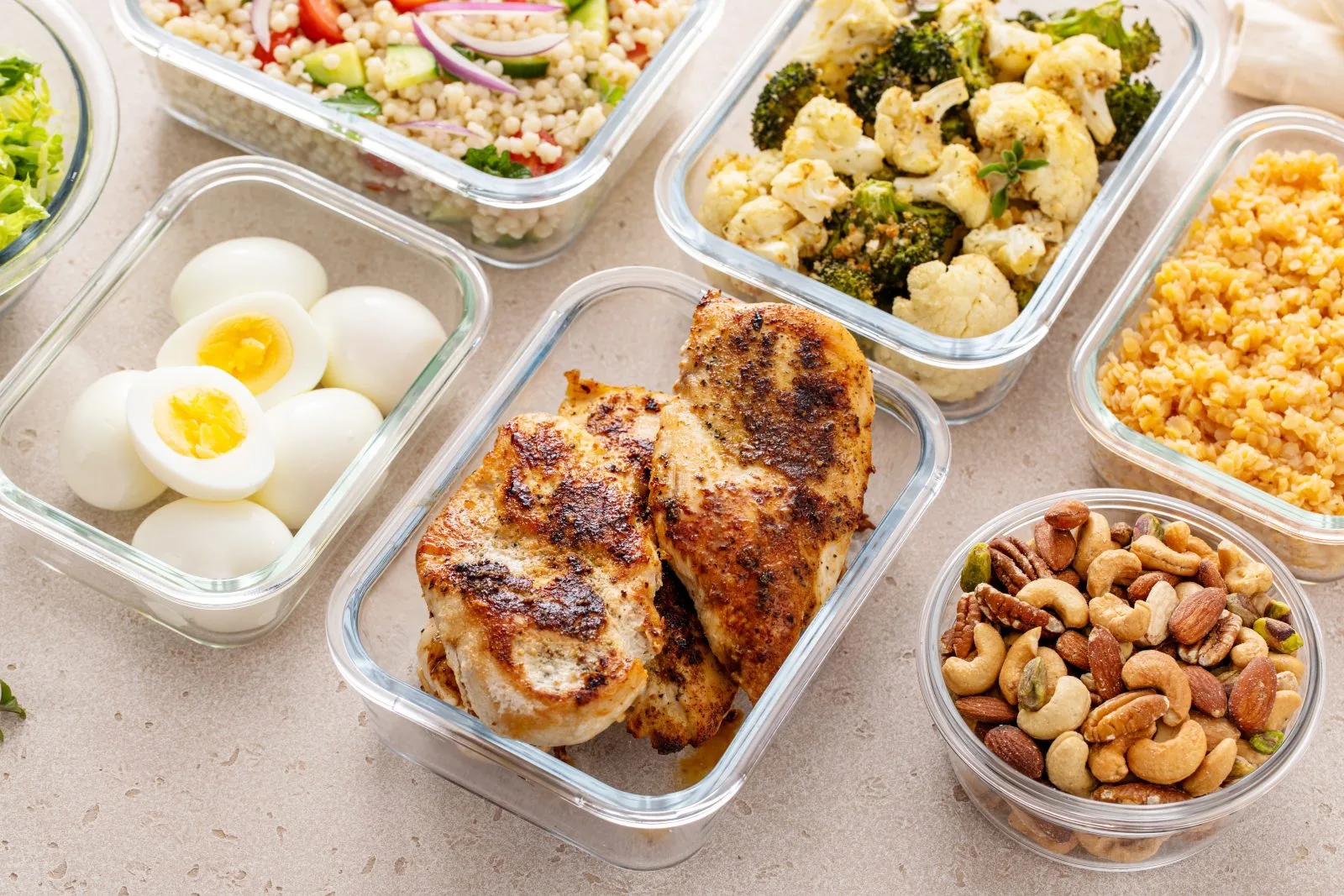
If you have gout in your foot, the foods to limit most are red meat, organ meats, certain seafood, beer and other alcohol, sugary drinks sweetened with fructose, and highly processed foods. These items raise uric acid levels in the blood. When uric acid builds up, it can form sharp crystals in the joints of the foot, most often at the base of the big toe. Cutting back on these foods, drinking more water, and building meals around vegetables, whole grains, and low-fat dairy can lower your chance of another painful flare.
This guide, explains why these foods matter, what to eat instead, and how diet fits with the care our team provides at our Coral Gables office.
Understanding Gout in the Foot
Gout is a type of inflammatory arthritis. It happens when uric acid in the blood rises too high and forms needle-shaped crystals inside a joint. Your immune system reacts to these crystals as if they were a threat. The result is sudden swelling, redness, heat, and intense pain.
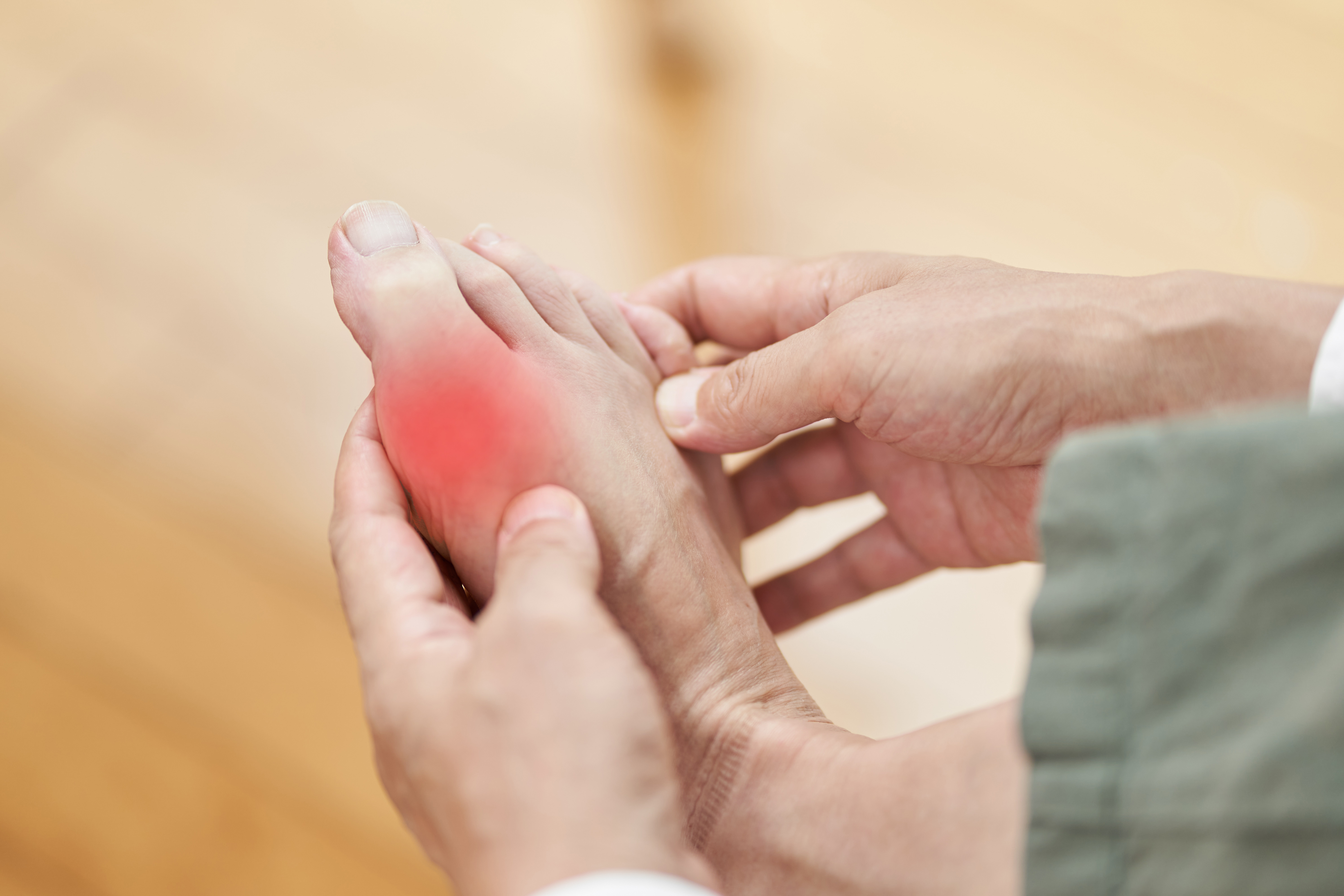
The foot is the most common place for gout to strike. The big toe joint is often the first joint affected. Many patients describe waking up at night with a toe so tender that even a bedsheet feels unbearable. Gout can also affect the top of the foot, the ankle, and the heel.
A gout attack often peaks within the first day and can last several days to a couple of weeks. Without changes to diet and lifestyle, attacks tend to come back. Over time, repeated flares can damage the joint and lead to lasting stiffness. You can learn more about the condition on our gout.
How Diet Affects Gout
Your body makes uric acid when it breaks down purines. Purines are natural compounds found in your own cells and in many foods. Most uric acid dissolves in the blood, passes through the kidneys, and leaves the body in urine.
Problems start when your body makes too much uric acid or your kidneys do not clear enough of it. Diet plays a direct role on both sides of this balance. Some foods are high in purines, which raises uric acid production. Other foods and drinks, such as alcohol and fructose, make it harder for the kidneys to remove uric acid.
Diet is not the only factor. Genetics, kidney function, body weight, and certain medications also affect uric acid levels. Still, food choices are one of the few factors you can change every day. That is why diet is a key part of any gout plan.
Why Certain Foods Trigger Gout Flare-Ups
A single heavy meal can push uric acid levels higher for a short time. If your levels are already close to the point where crystals form, that spike can be enough to start a flare. This explains why many attacks follow holidays, celebrations, or weekends with rich food and drinks.
Some foods trigger flares through more than one path. Beer is a good example. It contains purines from brewer’s yeast, and the alcohol itself slows the kidneys from clearing uric acid. Sugary sodas work in a similar way. Fructose speeds up uric acid production in the liver.
Dehydration also plays a part. When you do not drink enough water, uric acid becomes more concentrated in the blood. In a warm climate, staying hydrated matters even more.
Foods to Avoid With Gout
The list below covers the main food groups that raise uric acid. You do not need to remove every item forever.
Red Meat and Organ Meats
Organ meats are among the highest purine foods you can eat. These include:
Liver
Kidneys
Sweetbreads
Heart
Tongue
We recommend that patients with gout avoid organ meats as much as possible.
Red meats such as beef, lamb, pork, and venison are also high in purines, though less so than organ meats. Large portions eaten often can keep uric acid levels high. Game meats tend to be on the higher end.
You do not have to give up meat completely. Smaller portions help. A serving about the size of a deck of cards is a practical guide. Choosing chicken or turkey more often, and saving red meat for occasional meals, can make a real difference. Meat-based gravies and broths are also high in purines, so use them sparingly.
Seafood
Some seafood is very high in purines. The types most likely to raise uric acid include:
Anchovies
Sardines
Herring
Mackerel
Mussels
Scallops
Trout
Tuna
Shellfish such as shrimp, crab, and lobster contain moderate amounts of purines. They may be fine in small portions for some patients, but they can still add up.
Seafood has real health benefits, including heart-healthy fats. Rather than cutting all fish, many patients do well by avoiding the highest purine choices and eating lower purine options like salmon in modest amounts. If you notice flares after seafood meals, keep a record and share it with our team.
Sugary Drinks and Sweets
Fructose is a sugar found in fruit, table sugar, and high-fructose corn syrup. When your body breaks down fructose, it produces uric acid as a byproduct. This makes sugary drinks a strong gout trigger even though they contain almost no purines.
Drinks to limit include:
Regular soda
Sweetened iced tea
Energy drinks
Sports drinks with added sugar
Fruit punch and other sweetened juice drinks
Large amounts of fruit juice, even 100 percent juice, can also raise uric acid because of its concentrated fructose. Whole fruit is a better choice. The fiber in whole fruit slows sugar absorption, and a piece of fruit contains far less fructose than a large glass of juice.
Sweets such as candy, pastries, cookies, and desserts made with high-fructose corn syrup also count. Reading labels helps. Look for “high-fructose corn syrup” or “corn syrup” near the top of the ingredient list and choose another option when you can.
Alcohol (Especially Beer)
Alcohol is one of the most common gout triggers. It raises uric acid in two ways. It increases production, and it reduces how well the kidneys remove uric acid. Alcohol also leads to dehydration, which concentrates uric acid further. Hard liquor raises uric acid too.
During an active flare, we advise avoiding alcohol completely. Between flares, the safest approach is to drink rarely or not at all. If you do drink, keep amounts small, avoid beer, and drink a full glass of water with each serving. Binge drinking is a frequent cause of sudden attacks, so avoid multiple drinks in one sitting.
Highly Processed Foods
Highly processed foods can work against you in several ways. Many contain added sugars, including high-fructose corn syrup. Many are high in refined carbohydrates such as white bread, white rice, and baked snacks. These foods can contribute to weight gain and insulin resistance, both of which are linked to higher uric acid levels.
Processed meats deserve special attention. Bacon, hot dogs, sausage, salami, and deli meats are often made from red meat or organ meat and can be high in purines. They also tend to be high in salt.
Fast food meals often combine several triggers at once: red meat, refined bread, fried sides, and a large sugary drink. Choosing fewer packaged and fast food meals, and cooking more at home with whole ingredients, gives you more control over what goes on your plate.
Gout-Friendly Diet Tips
Knowing what to avoid is only half the plan. The other half is building meals that are filling, enjoyable, and low in triggers. A gout-friendly diet does not have to feel restrictive. Many patients find that it looks a lot like any balanced, heart-healthy way of eating.

What to Eat Instead
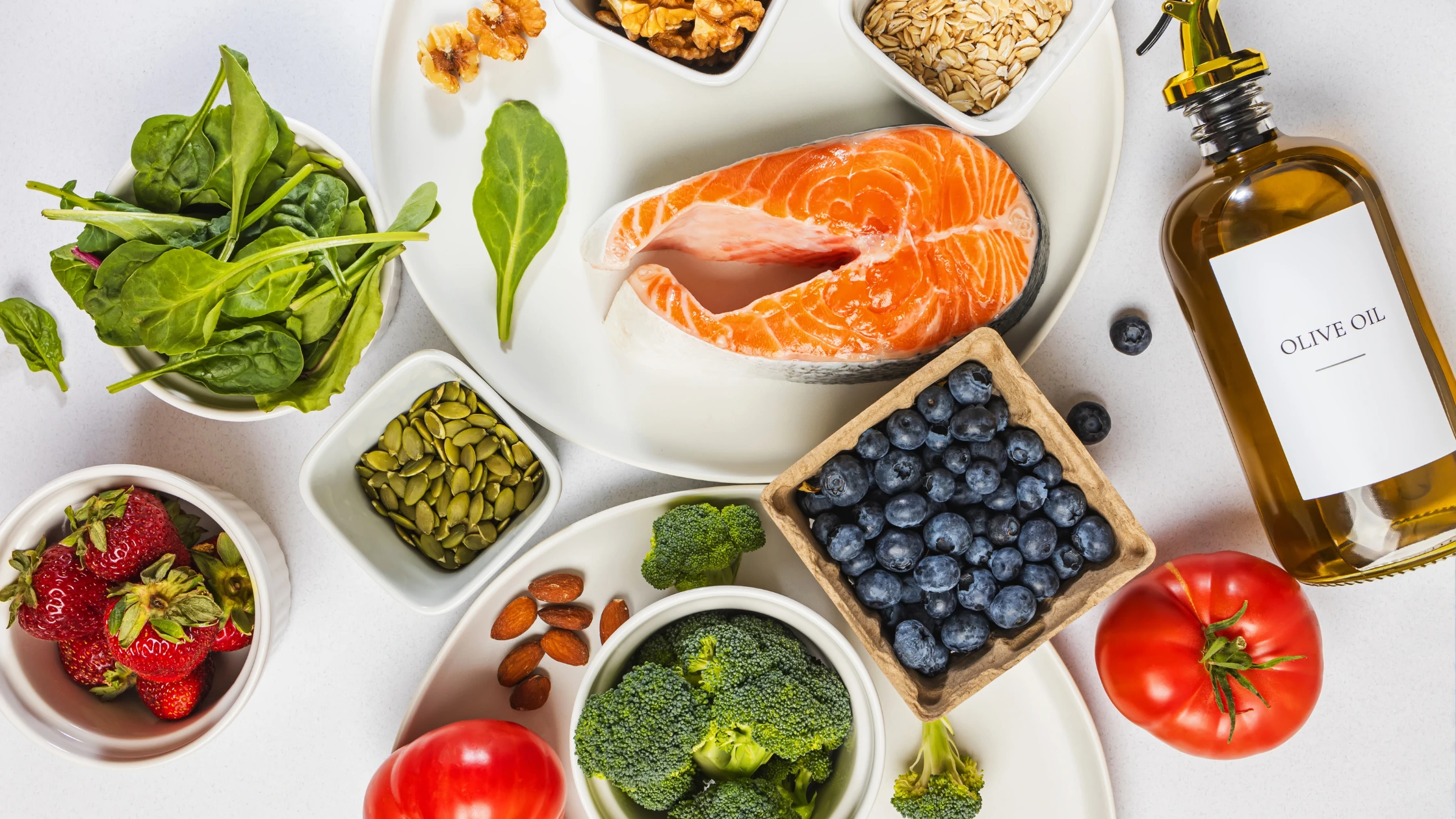
These foods are generally safe choices for people with gout:
Vegetables. Most vegetables are a good fit.
Whole fruits. Cherries are a popular choice among people with gout. Berries, citrus fruits, apples, and other whole fruits also fit well in moderate amounts.
Low-fat dairy. Skim milk, low-fat yogurt, and low-fat cheese may help the body clear uric acid.
Whole grains. Oats, brown rice, quinoa, and whole wheat bread are better choices than refined grains.
Plant proteins. Beans, lentils, tofu, nuts, and seeds provide protein without the purine load of red meat.
Eggs. Eggs are low in purines and are a useful protein source.
Poultry in moderation. Chicken and turkey are moderate purine choices that work well in reasonable portions.
Water. Plain water is the most helpful drink for gout. Coffee in moderation also appears to be fine for many people.
Healthy fats such as olive oil, avocado, and nuts round out a balanced plate. A simple meal model is half a plate of vegetables, a quarter plate of whole grains, and a quarter plate of lean or plant protein.
Key Tips for Managing Gout Through Diet
The habits below bring together the main points of Foods to Avoid With Gout in Your Foot: Key Tips into steps you can use every day.
Drink plenty of water. Aim for steady water intake throughout the day. More water helps your kidneys flush uric acid. Increase your intake on hot days and when you exercise.
Limit high-purine animal foods. Avoid organ meats. Keep red meat and high-purine seafood to small, occasional portions.
Cut back on sugary drinks. Replace soda and sweetened drinks with water, sparkling water, or unsweetened tea.
Avoid beer and limit other alcohol. Skip alcohol entirely during a flare.
Reach a healthy weight gradually. Extra body weight is linked to higher uric acid. Steady, slow weight loss helps. Avoid crash diets and fasting, which can raise uric acid for a short time and trigger a flare.
Keep a food and symptom diary. Write down what you eat and drink and when symptoms start. Patterns often appear within a few weeks.
Plan ahead for special occasions.
Take medications as prescribed. Diet supports medical treatment. It does not replace it. If you have been prescribed medication to lower uric acid, keep taking it even when you feel well.
Gout in the foot can look like other conditions. Pain at the base of the big toe may also come from big toe arthritis, a bunion, or an injury. If you are not sure what is causing your symptoms, our toe pain explains common causes. Patients with repeat attacks may also develop long-term joint changes covered on our arthritic foot.
At our office in Coral Gables, our team evaluates gout in the foot and builds a plan around each patient’s symptoms and history. Care may include managing an active flare, such as with a cortisone injection, and guidance on lifestyle changes that help prevent the next attack.
Conclusion
Gout in the foot is closely tied to what you eat and drink. Following these tips means limiting organ meats, red meat, high-purine seafood, sugary drinks, beer and other alcohol, and highly processed foods. Replace them with vegetables, whole fruits, whole grains, low-fat dairy, eggs, plant proteins, and plenty of water. Diet works alongside medical care, not in place of it. If your foot pain keeps returning, our team in Coral Gables, FL can help identify the cause and create a plan to reduce future flares.