Hand Tendon Repair
Surgery in Miami, FL

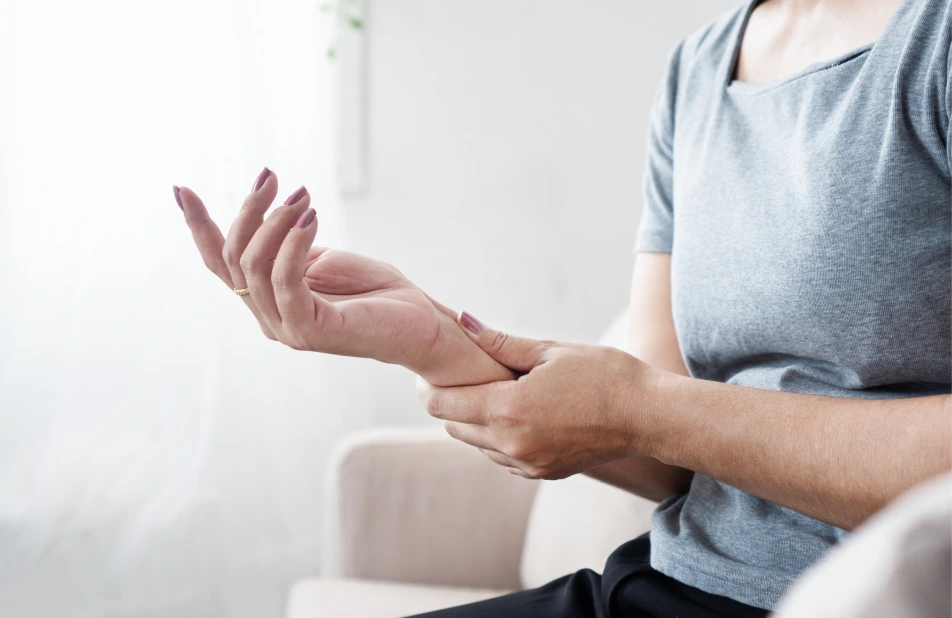
Revive Hand and Foot Institute offers expert hand tendon repair surgery in Miami, FL, providing advanced solutions to restore function and alleviate pain from tendon injuries. Our dedicated team combines state-of-the-art techniques with personalized care to help you regain mobility and improve your quality of life.
What Is Hand
Tendon Repair?

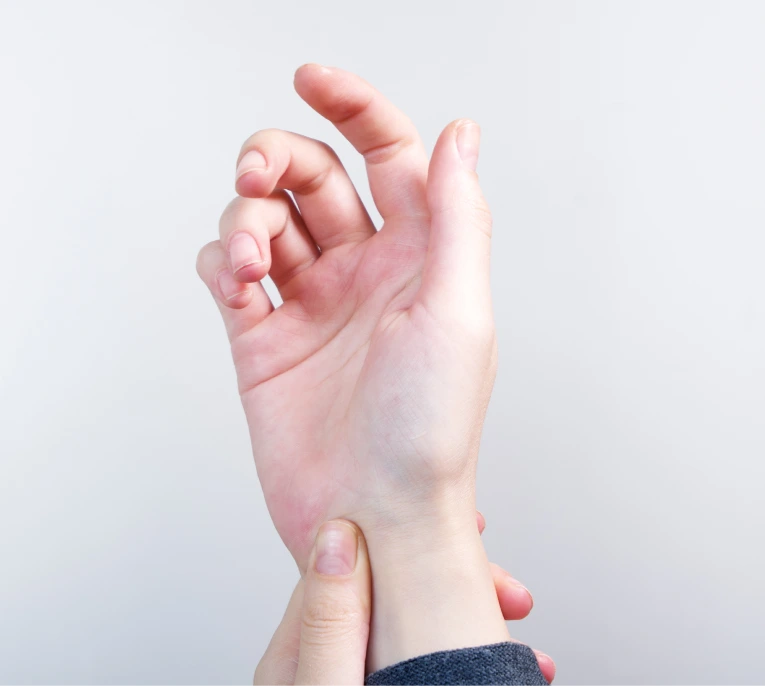
Hand tendon repair is a surgical procedure designed to reconnect or reconstruct damaged tendons in the hand, wrist, or fingers. Tendons are strong, fibrous cords that connect muscles to bones, enabling movement and grip strength.

When these vital structures are torn, cut, or severely damaged, surgical intervention becomes necessary. The procedure involves carefully suturing torn tendon ends together or using tendon grafts to bridge gaps when direct repair isn’t possible.

Understanding Tendon Injuries

Tendons in the hand are classified into two main groups that control intricate finger and wrist movements. Without proper treatment, tendon injuries can result in permanent stiffness, deformity, and chronic pain, severely impacting daily activities.
  • Located on the palm side, these tendons bend the fingers
  • Injuries often result from deep cuts to the palm or fingers
  • Can prevent proper finger bending and gripping
  • Found on the back of the hand, these tendons straighten fingers
  • Typically occur from cuts or jamming injuries
  • May cause inability to fully straighten fingers

Conditions Treated by Surgery

Hand tendon repair surgery addresses various conditions affecting tendon integrity:
  • Tendon lacerations – Cuts or tears often caused by sharp objects or trauma
  • Tendon ruptures – Complete tears from sudden forceful movements or degeneration
  • Jersey finger (flexor tendon avulsion)
  • Mallet finger (extensor tendon injury)
  • Boutonniere deformity from central slip injuries
  • Swan neck deformity complications
  • Chronic tendinitis/tenosynovitis not responding to conservative treatment
  • Failed previous tendon repairs requiring revision

Common Causes
of Damage

  • Sharp object lacerations and crushing injuries
  • Work-related accidents and power tool mishaps
  • Kitchen injuries and high-impact trauma
  • Contact sports injuries
  • Rock climbing, football, and martial arts injuries
  • Repetitive gripping activities causing ruptures
  • Long-term wear and overuse
  • Rheumatoid arthritis weakening tendons
  • Chronic inflammation making tendons prone to rupture

When Surgery Is Recommended

Immediate Surgery Indicators

  • Complete tendon rupture or laceration
  • Loss of active finger movement
  • Open wounds with visible tendon damage
  • Multiple tendon injuries requiring reconstruction

Delayed Surgery Considerations

  • Failed conservative treatment after 6-12 weeks
  • Progressive deformity development
  • Chronic pain affecting quality of life
  • Secondary damage from untreated injury

Preparing for
Hand Surgery

Proper preparation ensures optimal surgical outcomes:
  • Medical evaluation, including blood work and imaging studies
  • Medication adjustments to avoid bleeding complications
  • Smoking cessation to promote healing
  • Transportation arrangements for post-surgery
  • Home preparation for one-handed activities
  • Work arrangements for recovery time off
  • Physical therapy planning for rehabilitation

Types of Tendon Repair

When tendon ends can be brought together without tension, direct suturing provides the strongest repair for fresh injuries with minimal tissue loss.

Significant gaps require grafting using donor tendon from elsewhere in your body, commonly the palmaris longus or toe extensors. ruptures

Severe scarring or multiple failed repairs may necessitate staged reconstruction using silicone rods to create new tendon pathways.

Surgical Steps Explained

The repair process follows precise protocols:

1. Regional nerve block to make the procedure comfortable

2. Exposure and exploration to assess the extent of damage

3. Tendon end preparation, removing damaged tissue

4.Core suture placement using specialized techniques

5. Epitendinous repair for smooth gliding

6. Pulley reconstruction, if needed for flexor tendons

7. Wound closure with meticulous technique

8. Protective splinting to maintain the repair position
Recovery After Surgery

Recovery from hand tendon repair surgery requires patience and adherence to post-operative instructions. Your hand will be splinted or cast immediately following surgery to protect the repair.
Immediate Post-Surgery Phase
The first 2-3 weeks focus on protecting the repair while preventing stiffness. Custom splinting maintains optimal positioning while allowing controlled movements.
Active Rehabilitation Phase
Weeks 3-8 involve progressive therapy to restore the range of motion. Our specialized hand therapists guide you through exercises tailored to your specific repair.

Timeline and Rehabilitation

Recovery milestones vary by repair complexity:
  • Week 1-2: Protective splinting, wound care
  • Week 3-4: Early protected movement begins
  • Week 5-8: Progressive range-of-motion exercises
  • Week 9-12: Light functional activities permitted
  • Month 3-4: Gradual return to normal activities
  • Month 6: Full strength is typically restored
Physical or occupational therapy is vital for regaining strength, flexibility, and a full range of motion throughout this process.

Expected Outcomes
and Benefits

Successful hand tendon repair surgery delivers significant improvements:
  • Restored finger movement and hand function
  • 75-90% return of normal tendon function
  • Elimination of deformities from damage
  • Return to work and recreational activities
  • Improved grip strength and dexterity
  • Resolution of chronic pain
  • Prevention of permanent disability
With dedicated rehabilitation, patients regain much of their grip strength and dexterity for daily activities.

Candidates for Hand Tendon Repair Surgery

Ideal candidates for hand tendon repair surgery include individuals experiencing:
  • Complete or partial tendon lacerations affecting function
  • Significant pain, weakness, or loss of motion
  • Inability to bend or straighten fingers normally
  • Visible deformities from tendon damage
  • Failed conservative treatment for partial tears
  • Recent trauma with suspected tendon involvement
Early assessment is crucial for optimal outcomes, helping prevent long-term complications and maximize the potential to restore hand use.

Cost of Hand Tendon
Repair Surgery in Miami, FL

Hand tendon repair surgery in Miami, FL, typically ranges from $4,500 to $25,000. This range varies based on:
  • Complexity of injury and repair type
  • Number of tendons involved
  • Need for grafting or reconstruction
  • Anesthesia fees and post-operative care
Contact us for a personalized consultation and detailed cost estimate.

What Makes Our Procedures
Different
From Others?

Specialized Expertise
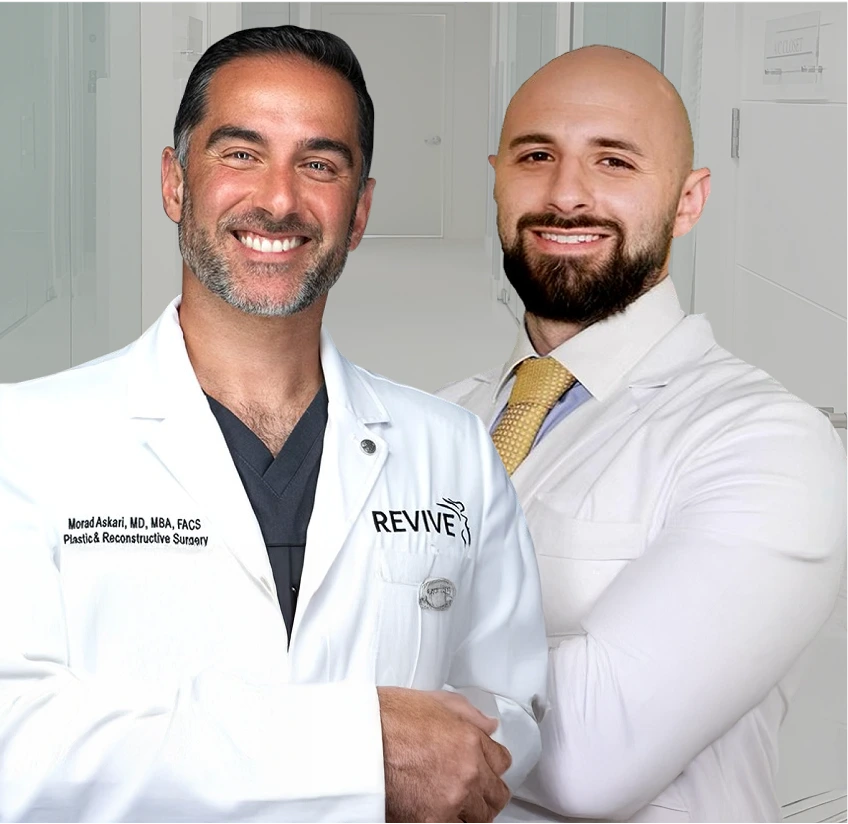
Our institute is owned by a board-certified surgeon. Our expert team, led by Drs. Morad Askari and Ashot Oganesyan, offers specialized knowledge in hand and foot reconstructive surgery.
Advanced Techniques and Facilities
We use state-of-the-art facilities with the latest medical technology and advanced surgical techniques to achieve optimal outcomes. Our Coral Gables location offers convenient access for Miami-area patients.
Patient-Centered Comprehensive Care
Your health, comfort, and goals are our priority. We provide seamless care from initial consultation through complete rehabilitation with continuous support and flexible scheduling for urgent cases.

Frequently Asked Questions (FAQs)

Recovery typically ranges from several weeks to several months, depending on injury severity and the level of rehabilitation commitment. Full recovery usually takes 3-4 months for standard repairs.
Most patients achieve 75-90% of normal function with successful surgery and dedicated therapy. While complex cases may have minor limitations, the goal is always maximum restoration.
Ideally, within 7-10 days for optimal results. Delayed repairs remain possible but may require more complex techniques.
Post-operative discomfort is well-controlled with prescribed medications. Most patients report manageable pain levels that gradually subside during healing.
While we do not accept insurance directly, we can provide documentation to help you submit claims for out-of-network reimbursement.
Light desk work typically resumes at 2-3 weeks. Manual labor may require 3-4 months, depending on job demands. Ready to restore your hand function? Contact Revive Hand and Foot Institute to schedule your consultation.