Wound Care in Miami, FL

Living with a wound that won’t heal can be painful, stressful, and worrying. Many patients seek professional care when they notice slow healing, persistent redness, swelling, drainage, or sores. Proper treatment is important not only for comfort but also for preventing infection and protecting long-term health.

At our Miami center, patients receive medical-grade wound care focused on promoting healing, reducing complications, and helping them return to everyday life with confidence.
Common Types of Wounds

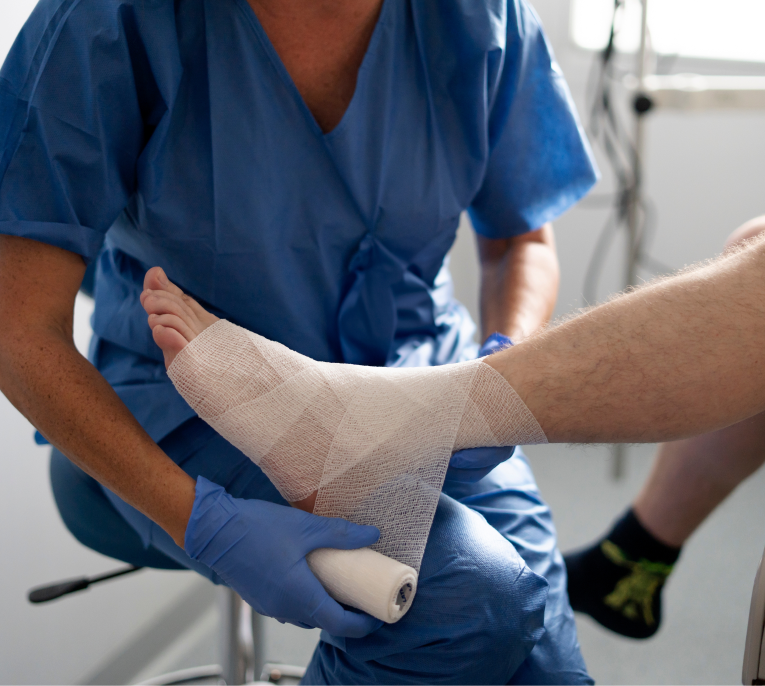
Diabetic foot ulcers are open sores that often develop on the feet of people with diabetes due to reduced circulation and nerve damage. These wounds can be slow to heal and may worsen without proper care. Early treatment helps prevent infection, protects surrounding tissue, and supports healthy healing.
Pressure ulcers, often called pressure sores, develop when prolonged pressure on the skin reduces blood flow to an area of the body. They commonly form on the heels or ankles in people who spend long periods in bed or seated. Proper wound care and pressure relief are essential to protect the skin and encourage healing.
Surgical wounds are incisions made during a medical procedure that require careful care while healing. Although most heal without complications, some may become slow to close or show signs of irritation or infection. Professional wound care helps keep the area clean, protected, and healing as expected.
An infected wound may appear red, swollen, warm, or produce drainage, and it can sometimes cause pain or fever. Infection can slow healing and may spread if not treated promptly. Proper evaluation and treatment help control the infection and support the body’s natural healing process.
Chronic wounds are injuries that fail to heal within a typical timeframe, often lasting several weeks or longer. They may be related to underlying conditions such as diabetes, poor circulation, or repeated pressure on the area. Specialized wound care focuses on addressing the underlying causes while promoting healthy tissue repair.
Traumatic wounds occur suddenly from accidents, cuts, or other physical injuries to the skin and tissue. Depending on their depth and severity, they may require professional care to clean the wound and prevent complications. Proper treatment helps reduce the risk of infection and encourages smooth healing.

Your Consultation and Physical Examination?

Your consultation begins with a careful evaluation by our wound care team, who will take the time to understand your symptoms, medical history, and the length of time the wound has been present. A thorough physical examination helps determine the severity of the wound, check for signs of infection, and identify factors that may be slowing the healing process. Based on these findings, we determine the most appropriate treatment approach and create a personalized care plan. When needed, we will also schedule follow-up visits to monitor healing and ensure your recovery stays on the right track.

Treatment Process

The treatment process begins with careful preparation of the wound and surrounding skin. During your visit to our office, the affected area is gently cleaned to remove debris and reduce the risk of infection. This step helps create a healthy environment for healing and allows the care team to fully understand the condition of the wound/
Next, our doctor closely examines the wound to assess damaged tissue and determine the best way to treat it. If necessary, debridement may be performed to remove necrotic or unhealthy tissue that can slow healing. Clearing away this material helps healthy tissue grow and supports the body’s natural recovery process.
Depending on the type and severity of the wound, additional care may be recommended. Some wounds may benefit from specialized treatments, and in more complex cases, options such as skin grafting or minor surgery may be considered. Every procedure is carefully planned to support healing and protect surrounding tissue.
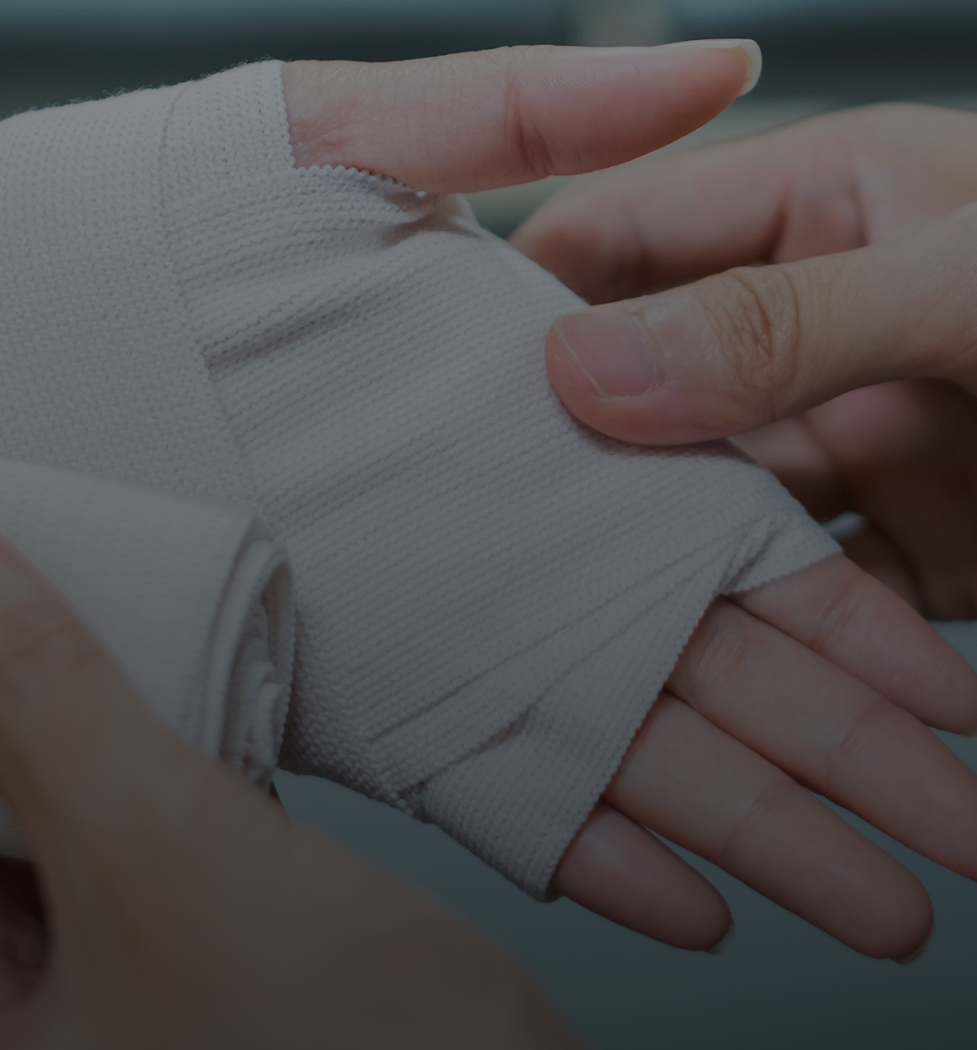
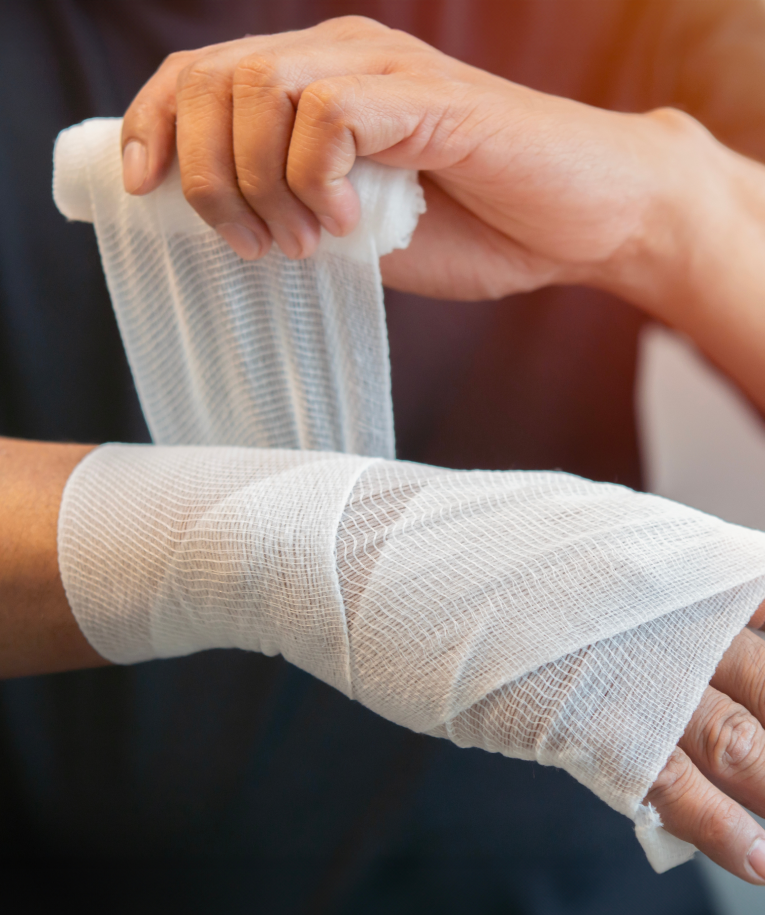
Once treatment is completed, the wound is properly covered with sterile bandages or advanced dressings. These coverings help keep the area clean, maintain the right level of moisture, and protect the wound from irritation or infection. Proper dressing also plays an important role in supporting healthy healing.
Healing often takes time, so follow-up care is an important part of the process. Regular visits allow our medical team to monitor progress, adjust care if needed, and ensure the wound continues to improve. This ongoing support helps patients feel confident as their skin heals and strength returns.

Home Care Tips

Proper care at home plays an important role in helping your wound heal safely and efficiently. Our team will recommend specific instructions based on your condition so you can confidently care for the wound between visits. These simple steps help ensure the healing process stays on track.

  • Keep the wound clean and protected – Gently cleaning the area and keeping it covered with fresh dressings helps reduce the risk of infection and supports healthy healing.
  • Watch for changes in the wound – Monitoring for redness, swelling, or unusual drainage can help you notice potential issues early.
  • Maintain healthy daily habits – Proper nutrition, hydration, and rest support the body’s natural ability to repair tissue.
  • Use the recommended wound care supplies – Your provider may suggest a variety of dressings or products designed to protect the wound and promote healing.
In addition to wound care, managing conditions such as diabetes or circulation issues can help improve healing outcomes.

Who Is at Higher Risk for Wounds?

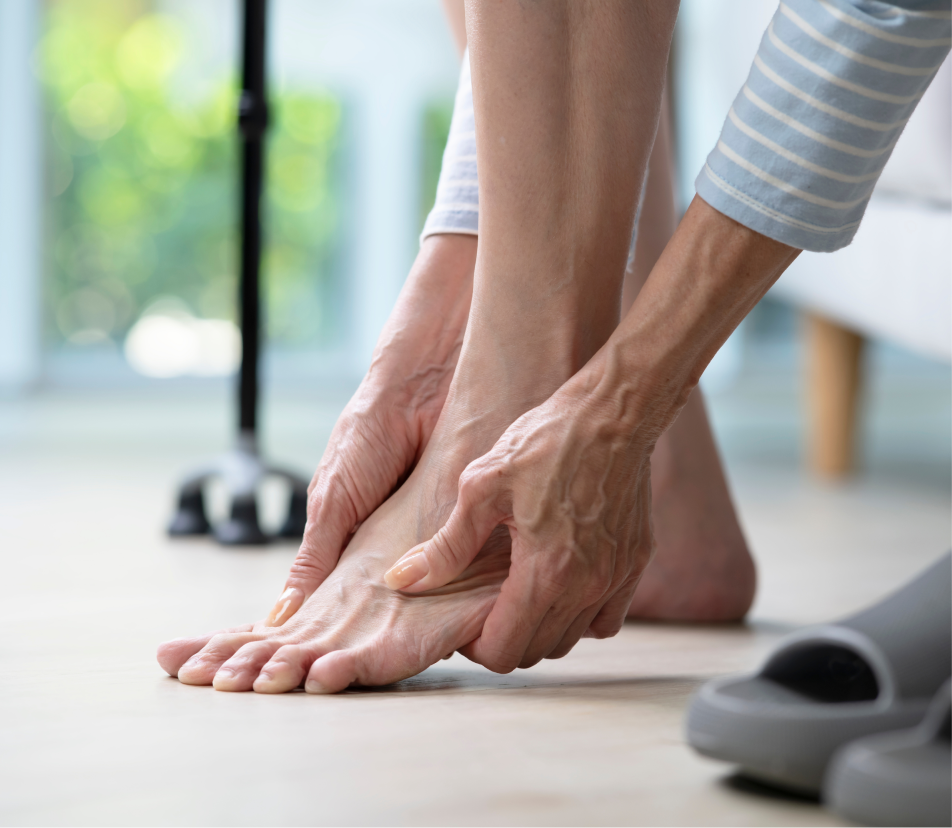
Some individuals are more likely to develop wounds that require medical attention, especially when certain health conditions affect circulation, nerve function, or skin health. This includes patients suffering from conditions such as diabetes, reduced mobility, or poor blood flow, which can make the skin more vulnerable to injury and slower to heal. People who experience injuries, such as burns or repeated pressure on specific areas of the body, may also be at higher risk of skin breakdown. Without proper care, these issues can sometimes lead to chronic wounds that take longer to heal and require specialized treatment.
Benefits OF Wound Care

Receiving professional care can make a significant difference in how well and how quickly a wound heals. Proper treatment helps protect your health, reduce discomfort, and support the body’s natural healing process. You can expect the following benefits:
  • Faster healing
  • Lower risk of infection
  • Reduced pain and discomfort
  • Prevention of complications
  • Healthier skin recovery
  • Ongoing monitoring and support

Cost of Wound Care in South Florida

The cost of wound care in South Florida can vary widely, but many patients can expect prices ranging from about $150 to $800 per visit, depending on the type of treatment and the wound’s complexity. More advanced treatments, such as hyperbaric medicine (oxygen therapy), may cost around $200 to $600 per session at clinics and sometimes more in a hospital setting, depending on the level of medical supervision and equipment used.

Costs may also depend on the type of services provided and whether additional specialists, such as vascular surgeons, are involved in the care plan. In some cases, patients may also receive assistance from home health professionals who help monitor healing and provide dressing changes at home. The overall price can vary based on the clinic’s location, the number of treatments needed, and whether certain procedures are covered by insurance, which may reduce out-of-pocket expenses for medically necessary care.

You can receive a personalized price quote during a consultation at our center.
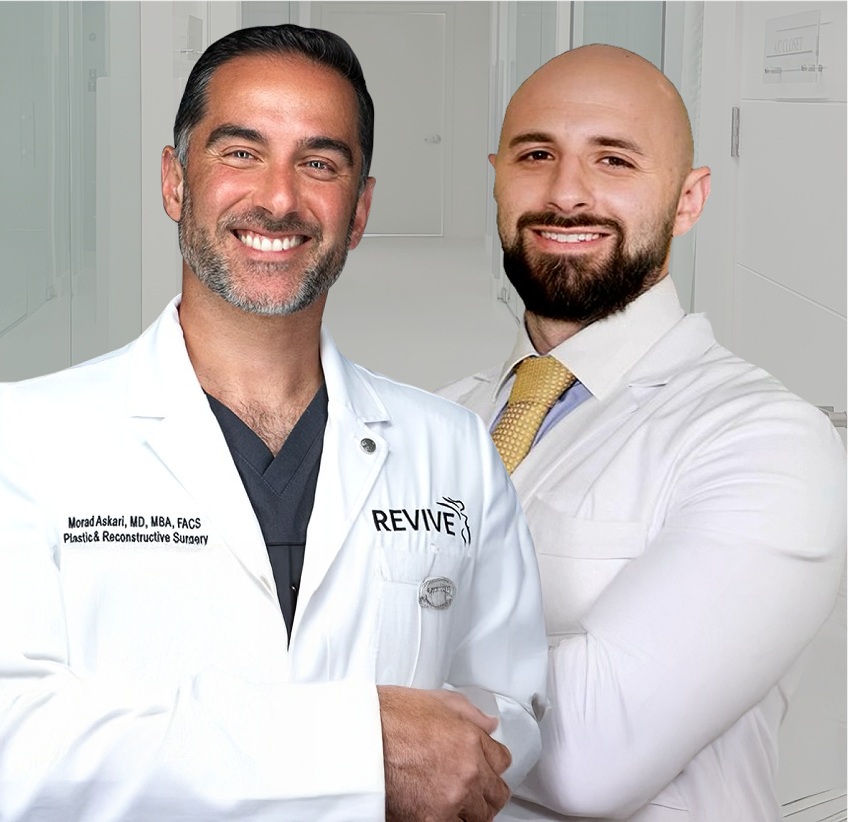
Support Your Wound Healing with Professional Care

Supporting your wound healing with professional care ensures the best chance for a safe recovery. Using state-of-the-art techniques, our physicians carefully assess and treat each wound to help the body repair itself efficiently while reducing the risk of complications. With our medical expertise, patients receive personalized guidance and ongoing support throughout the healing process. Scheduling an appointment allows our team to create a tailored plan and monitor progress closely. Don’t hesitate to contact us to get started on the path to healthier skin.

Frequently Asked Questions (FAQs)

Some patients may benefit from working with a physical therapist after wound care to help restore strength, mobility, and function in the affected area. Therapy can aid in preventing stiffness, improving circulation, and supporting overall healing, especially for wounds that impact movement or require longer recovery times. Your care team will help determine if this step is right for you.
To support faster recovery, it’s important to follow the care plan provided by our specialists, including proper wound cleaning, dressing changes, and any recommended lifestyle adjustments. Maintaining good nutrition, staying hydrated, and protecting the wound from further injury can also help the body heal more efficiently.
A wound may be considered chronic if it fails to heal over time, shows persistent redness, swelling, drainage, or pain, or worsens rather than improves. Our podiatrist will evaluate your condition and help identify warning signs so they can be addressed quickly. Treatment plans vary depending on the wound type and underlying factors, which is why early intervention is important.