

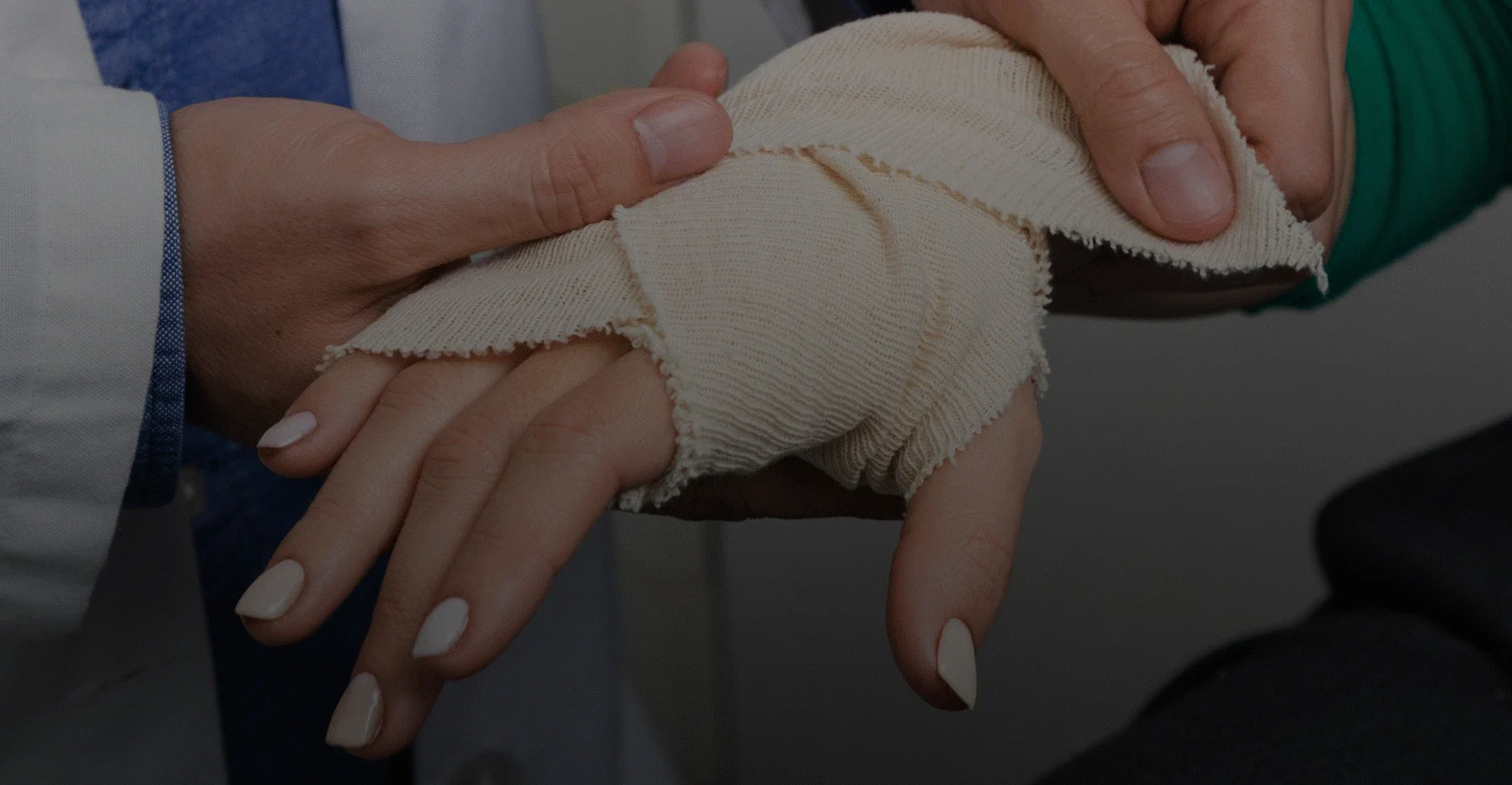
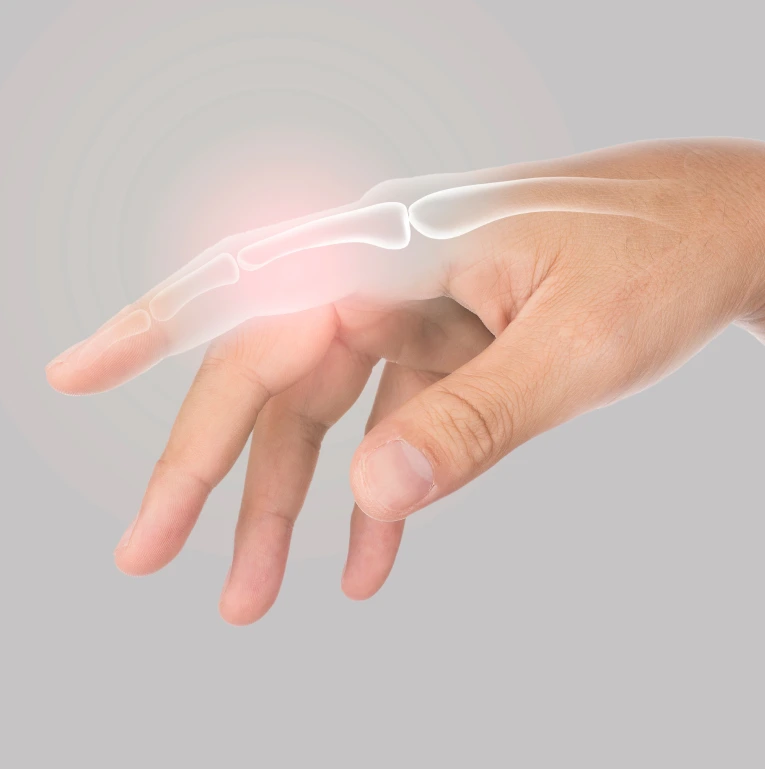
Phalangeal fractures are breaks in the small bones of the fingers, known as phalanges. Each finger has three phalanges, except for the thumb, which has two, and these bones are essential for precise hand movement and grip strength. A fracture can occur from direct impact, twisting, or crushing injuries, and symptoms often include pain, swelling, bruising, and difficulty moving the finger. Depending on the severity and location of the break, the bone may be displaced or remain aligned.
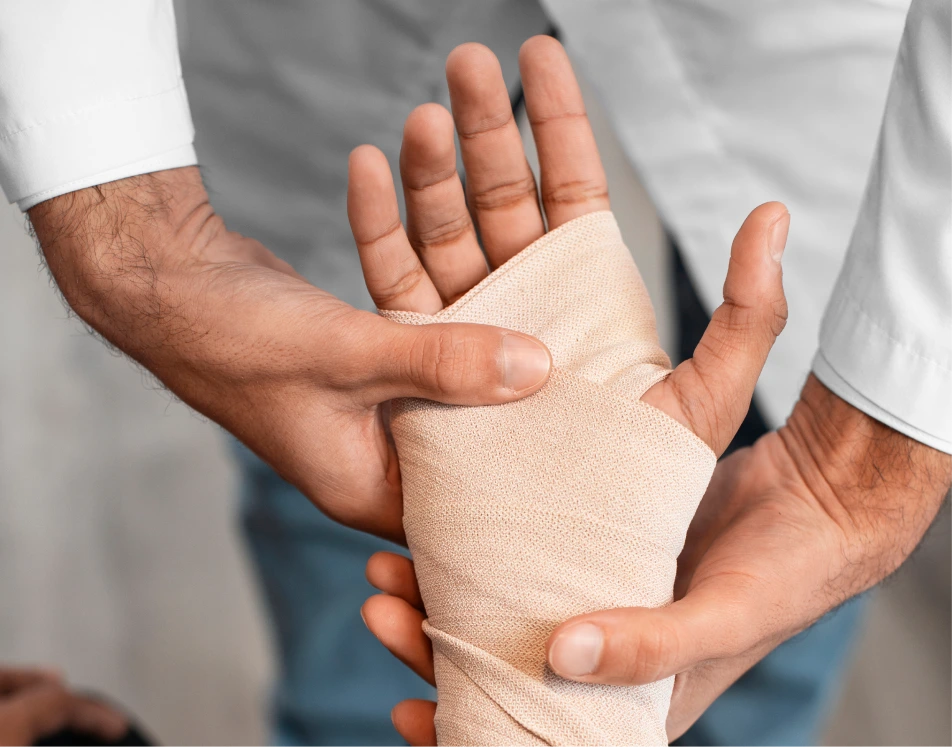
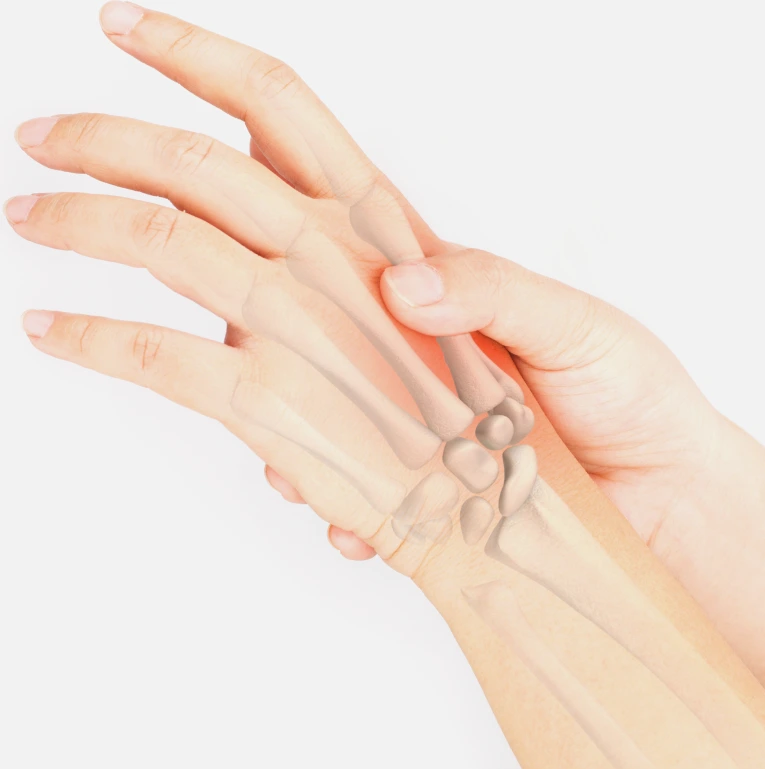

Recovering from a finger fracture requires professional care to ensure the bones heal correctly and hand function is fully restored. At Revive Hand and Foot Institute, our team carefully evaluates each fracture and provides personalized treatment plans designed to fix the injury. From splinting and buddy taping to advanced surgical options, we focus on proper alignment, pain management, and guided therapy to help patients regain strength, motion, and confidence in their hands.
In rare cases, severe fractures or complications can result in the need for amputation of a finger or part of a finger. If the tip or another portion of the finger shows signs of irreparable damage and is unable to heal properly, an attempt to save it may not succeed. In such situations, our experienced surgeon carefully evaluates the injured area to determine the most suitable course of action, prioritizing overall hand function and safety. The amputated part is removed to ensure optimal outcomes.
