Wound Debridement Treatment in Miami, FL

Wound debridement treatment is an essential step for patients dealing with chronic, non-healing wounds, infections, or complications from diabetes and poor circulation. Many individuals pursue this procedure to reduce the risk of further tissue damage, promote faster healing, and prevent serious infections that can threaten mobility or overall health.
At Revive Hand and Foot Institute in Miami, our approach focuses on carefully removing damaged tissue while protecting healthy areas, giving patients the best chance for recovery and improved comfort. We understand the stress and uncertainty that come with persistent wounds, and our goal is to provide safe, effective care that addresses both the physical and emotional concerns of healing.

What Is Wound Debridement?

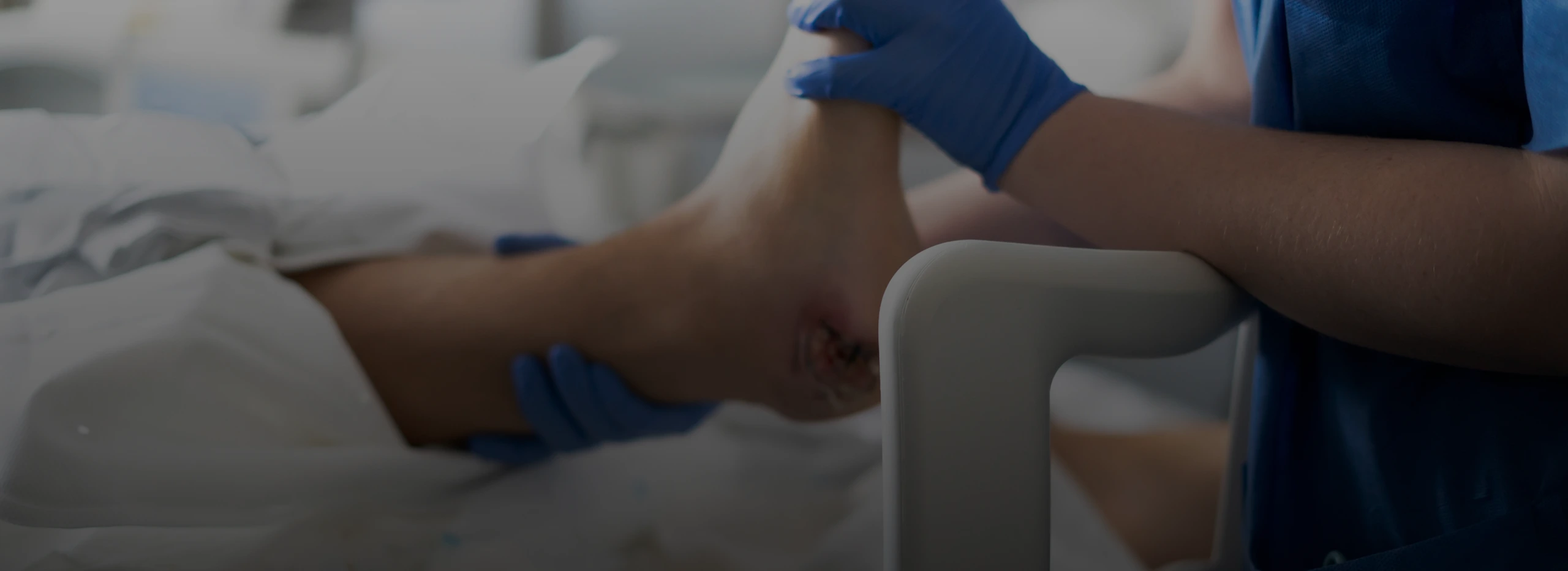
Wound debridement is a medical procedure that removes dead, damaged, or infected tissue from a wound to support the natural healing process. This treatment is commonly used for various types of wounds, including pressure sores, ulcers, burns, and slow-healing injuries. By carefully removing unhealthy tissue, wound debridement helps create a cleaner environment in the affected area. The procedure can involve different techniques depending on the wound type and severity.

Wound Debridement Techniques

Surgical debridement is a precise technique in which our surgeon removes necrotic or severely damaged tissue from a wound using specialized instruments. This method is often necessary when rapid removal of unhealthy tissue is required to prevent infection or further complications. In some cases, surgical debridement may be combined with skin grafting to cover large or deep areas where natural healing alone is insufficient. This approach prepares the wound for optimal recovery while addressing the most critical tissue concerns.

Autolytic debridement uses the body’s natural healing processes to break down and remove dead tissue. This method is gentle and often recommended for wounds that require careful management. Our foot specialist, Dr. Oganesyan, guides patients through this treatment, ensuring that the wound environment supports gradual, safe healing. By leveraging the body’s own enzymes and moisture, autolytic debridement encourages the natural removal of necrotic tissue without harming surrounding healthy skin.
Enzymatic or chemical debridement involves applying specialized topical agents to the wound that actively dissolve dead or damaged tissue. These agents target only the unhealthy tissue, leaving healthy skin intact, and can be particularly useful for wounds that are difficult to reach or manage with other methods. This technique is carefully monitored to ensure the chemical agents work effectively while maintaining a safe environment for healing.
Mechanical debridement relies on physical methods to remove debris and dead tissue from a wound. This can include techniques such as gentle irrigation, wet-to-dry dressings, or specialized tools for cleansing the area. By physically eliminating necrotic material, mechanical debridement helps create a cleaner wound surface and supports the body’s natural repair processes. This method is often used for wounds with loose or easily removable tissue and can be combined with other debridement strategies for optimal results.

Recovery After Wound Debridement

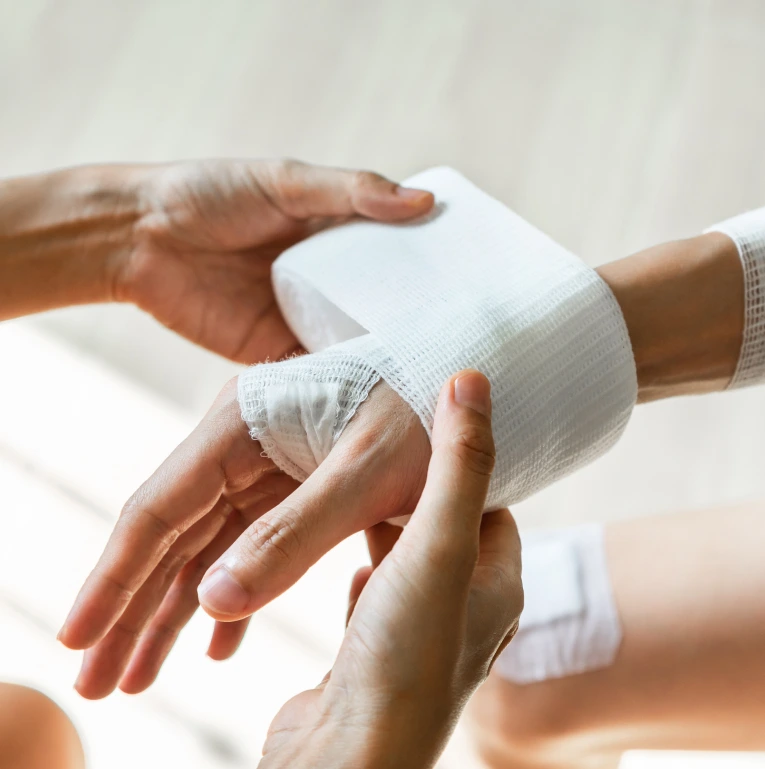
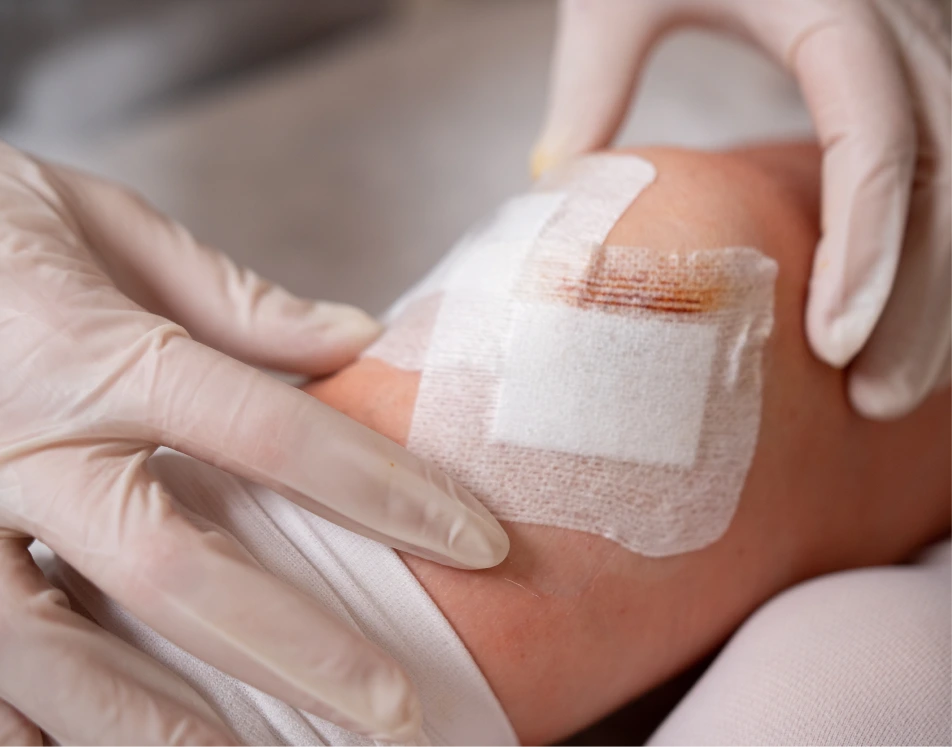
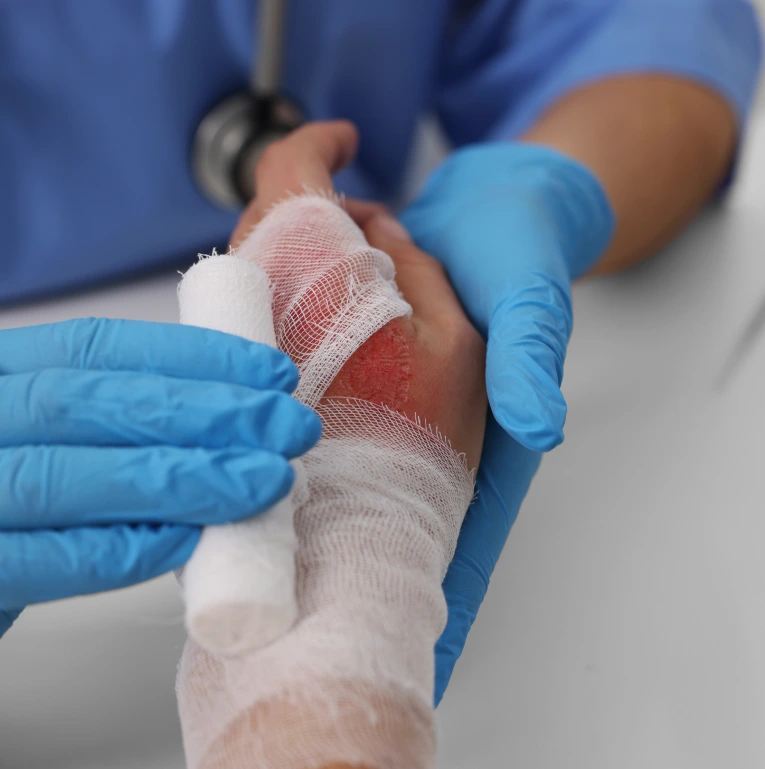
Recovery after wound debridement involves careful monitoring and ongoing care to support the healing process. Patients may need to change bandages regularly to keep the wound clean and protected, reducing the risk of infection and promoting tissue repair. Depending on the location and severity of the wound, physical therapy may be recommended to maintain mobility, improve circulation, and ensure that surrounding tissues remain strong during recovery. Following your provider’s guidance on wound care, activity levels, and follow-up visits is essential to achieve the best possible outcome and support a smooth healing process.

Candidates for Wound Debridement

Wound debridement treatment is considered for individuals whose wounds are not healing properly or are at risk of infection. Determining candidacy depends on the type, severity, and underlying causes of the wound. Candidates typically include:
Benefits of Wound Debridement Treatment

Cost of Wound Debridement Treatment in South Florida

The cost of wound debridement in South Florida typically ranges from $200 to $2,500, depending on the wound’s severity and complexity. To receive advanced wound debridement treatment, Miami residents should consult with experienced providers who can assess the wound and determine the most appropriate approach. Factors such as the hospital or clinic where the procedure is performed, the wound location, and the type of debridement used all influence the final cost.

Many insurance plans may cover part or all of the treatment, so it is essential to verify coverage before scheduling a procedure. Our office is available to provide guidance, answer questions, and support patients through the scheduling and insurance process to make care more accessible.

Receive Professional Wound Care in Our Center

Our wound care team provides comprehensive support for patients dealing with complex or chronic wounds. In addition to traditional treatments, we utilize state-of-the-art techniques and hyperbaric medicine to deliver oxygen to affected tissues, which can aid in faster healing and recovery. Our podiatrist, Dr. Oganesyan, reviews each patient’s medical conditions and determines the most effective plan of care. Depending on the type and severity of the wound, we develop personalized strategies to treat and manage the injury. Our center offers a full range of services, and scheduling an appointment allows us to thoroughly assess your needs and provide the guidance and support necessary for optimal healing.
FAQs

The time it takes for a wound to heal after debridement varies depending on the wound’s size, depth, and location, as well as the patient’s overall health. Some smaller wounds may begin to show improvement within a few days, while larger or more complex wounds can take several weeks to heal fully. Regular follow-up appointments help track progress and ensure the wound is responding appropriately to treatment.
Yes, wound debridement is generally safe when performed by our experienced physician, who carefully removes only damaged or necrotic tissue while protecting healthy areas. The procedure is designed to minimize discomfort and reduce the risk of infection, supporting a controlled and effective healing process.
Protecting healing wounds involves keeping the area clean, changing bandages as directed, and following any specific instructions provided by your care team. Home health professionals can assist with proper wound care techniques, while physical therapists may provide guidance on safely maintaining mobility and circulation without putting stress on the healing tissue. Consistent care and attention help ensure the best possible outcome.