Foot and Ankle Surgery in Miami, FL

Foot and ankle problems can quietly disrupt every part of daily life – from chronic heel pain and ankle instability to bunions, arthritis, sports injuries, and deformities that make walking or standing uncomfortable. When conservative treatments no longer provide relief, foot and ankle surgery may be the right step to restore mobility, reduce pain, and prevent further damage.


Revive Hand and Foot Institute in Miami provides advanced surgical care for various conditions, including fractures, tendon and ligament injuries, nerve compression, and joint degeneration, with a focus on helping patients return to work, exercise, and everyday activities with greater comfort and confidence.

Foot and Ankle Conditions Requiring Surgery

Hammer toes develop when one or more toes bend abnormally at the middle joint, often due to muscle imbalance, footwear issues, or long-term pressure. As the condition progresses, the toe can become rigid and painful, leading to corns, calluses, and difficulty wearing shoes comfortably. Surgery may be recommended when the deformity becomes fixed or painful and interferes with daily activities, such as walking and standing.
Bunions, also known as hallux valgus, occur when the joint at the base of the big toe shifts out of alignment, causing a visible bump and progressive discomfort. Patients often seek surgical care due to pain, swelling, limited shoe options, and worsening toe deviation. Left untreated, bunions can lead to joint stiffness and additional forefoot problems.
Flatfoot is characterized by a collapsed or absent arch that can strain the foot and ankle over time. Some patients experience chronic pain, fatigue, or instability that affects walking and balance. When supportive devices and therapy fail, surgical correction may be needed to realign the foot, improve function, and relieve ongoing discomfort.
High arches place excessive pressure on the heel and ball of the foot, often leading to pain, instability, and frequent ankle sprains. This condition can be associated with nerve or muscle disorders and may worsen over time. Surgery may be considered to redistribute pressure, improve foot mechanics, and reduce the risk of injury.
Arthritis in the foot or ankle can cause joint pain, stiffness, swelling, and reduced mobility that interferes with everyday activities. As cartilage wears down, movement becomes increasingly uncomfortable and limited. Surgical options may be recommended to relieve pain, restore stability, and improve joint function when conservative care is no longer effective.
Plantar fasciitis is a common cause of heel pain resulting from inflammation or degeneration of the plantar fascia. While in most cases symptoms improve with non-surgical treatment, some patients continue to experience persistent pain that affects walking and standing. Surgery may be considered to release tension and promote long-term relief.
Nerve compression in the foot or ankle can cause burning, tingling, numbness, or sharp pain that radiates through the toes or heel. These symptoms often worsen with activity or prolonged standing. When conservative measures fail to treat the source of nerve irritation, surgical intervention may help relieve pressure and restore nerve function.
Acute foot and ankle injuries may result from accidents, sports, or falls and can include traumatic injuries that require immediate attention. Surgery is sometimes necessary for complex conditions involving damaged bones, severe sprains, or joint instability. Prompt surgical care can help restore alignment, promote proper healing, and reduce the risk of long-term complications.

What to Expect During Your Appointment

Your appointment begins with a comprehensive assessment of your foot and ankle, including a review of symptoms, medical history, and physical movement. We evaluate alignment, joint stability, and muscle function to understand what may be contributing to pain or limited mobility.
Using the information gathered during the exam – and imaging if needed – the goal is to accurately diagnose the underlying condition. This step helps identify structural issues, inflammation, or damage that may require surgical intervention rather than continued conservative care.
Once the condition is identified, a personalized treatment plan is created with a strong focus on patient care and long-term outcomes. This includes reviewing surgical options, recovery timelines, and setting clear expectations so you feel informed and confident moving forward.
If surgery is recommended, our doctor will explain what the procedure involves and how they will perform the correction. Details such as surgical technique, anesthesia, and whether stitches are required are clearly reviewed to avoid surprises.
After treatment, you’ll receive guidance on healing, activity levels, and follow-up visits. Recovery plans are designed to restore strength, flexibility, and range of motion while supporting safe, steady progress back to daily activities.

Recovery After Foot and Ankle Surgery

Recovery after foot and ankle surgery is a gradual process designed to protect healing structures while restoring comfort and function. Patients may experience some swelling in the early stages, which is a normal part of healing, and recovery time can vary depending on the procedure performed and individual health factors. Most people are guided through a structured plan that supports safe healing and long-term outcomes, with close monitoring to ensure progress stays on track.

Candidates for Foot and Ankle Surgery

Candidates for foot and ankle surgery often include individuals dealing with complex foot and ankle disorders that have not responded to conservative treatments. This may involve various conditions, such as arthritis, turf toe, progressive joint disease, or structural problems that affect how the foot connects and functions with the leg. Surgical care may be recommended when pain, instability, or deformity interferes with daily activities, mobility, or the ability to bear weight comfortably. A thorough diagnosis helps determine whether surgery is appropriate, while also identifying potential risks and minimizing the chance of future complications.

Benefits of Foot and Ankle Surgery

Foot and ankle surgery can offer meaningful relief for patients whose pain or mobility issues have not improved with non-surgical care. By addressing the root cause of discomfort or instability, surgical treatment can help patients regain confidence in their movement and return to daily activities with greater ease. Here are the key benefits of surgery:

Cost of Foot and Ankle Surgery in Miami, FL

The cost of foot and ankle surgery in Miami typically ranges from $3,000 to $15,000, depending on the type of procedure and individual needs. Pricing can vary based on the complexity of the condition, surgical setting, anesthesia, imaging, and post-operative care, as well as whether the procedure is performed in hospitals, outpatient centers, or physician offices. Insurance coverage, deductibles, and treatment plans also play a role, so patients are encouraged to discuss costs in advance to understand their financial responsibility.

Schedule an Appointment with Our Foot and Ankle Specialist

Scheduling an appointment is the first step toward comprehensive foot and ankle care tailored to your needs. If pain or limited mobility has affected your ability to stay active, our professional providers combine their advanced expertise with personalized treatment plans designed to support healing and long-term comfort. The goal is to help you move toward a pain-free lifestyle, improve your quality of life, and address the root cause – not just the symptoms – so your body can function at its best. While not every condition has an immediate cure, professional evaluation can help you understand your options and lead you toward lasting relief and confidence in every step.
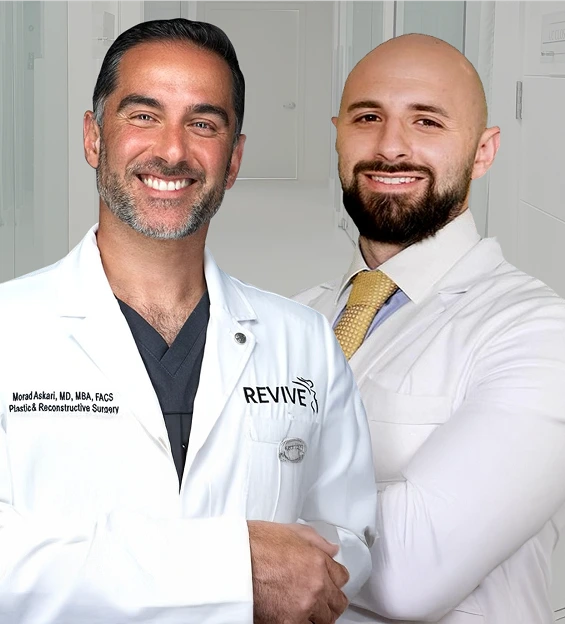
Wound Care Debridement in Miami, FL Banner

FAQs

Minimally invasive surgery uses smaller incisions and specialized techniques to correct foot and ankle problems while minimizing disruption to surrounding tissue. This approach often results in less scarring, reduced discomfort, and a quicker return to daily activities compared to traditional surgery.

Most surgical procedures are performed with anesthesia to keep patients comfortable during treatment. After surgery, some soreness or discomfort is normal, but pain is typically well-managed with rest and appropriate pain control during recovery.
When selecting a specialist, it’s important to look for credentials, experience, and a strong focus on patient outcomes. Many patients compare orthopedic surgeons and podiatric specialists, paying close attention to extensive training, board certification, and surgical experience. To achieve optimal results with foot and ankle surgery, Miami residents should choose a provider who communicates clearly, offers personalized care, and has a proven track record treating similar conditions. Consider our experienced specialist, Dr. Oganesyan, for your foot and ankle care.